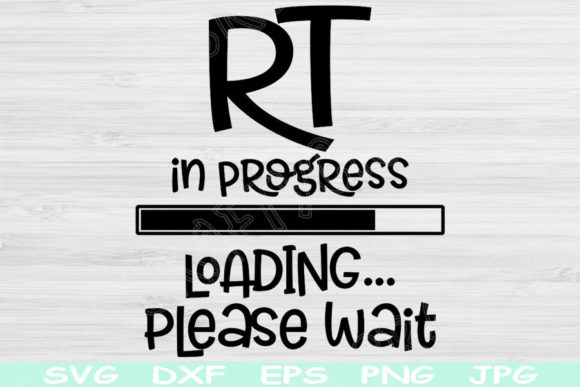
CRNA in Progress Loading Please Wait Svg – A Designer’s Honest Take
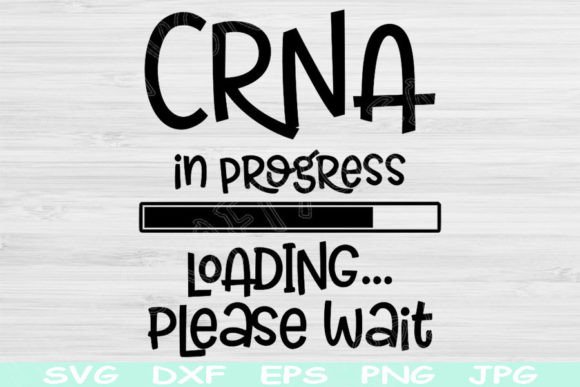
When a client asked me to create a custom embroidered tote bag for her daughter’s CRNA graduation, I immediately started hunting for a design that balanced humor, professionalism, and stitchability. That’s how CRNA in Progress Loading Please Wait Svg landed on my screen. The concept is playful—a digital-age loading bar paired with the insider phrase “CRNA in progress” followed by “loading, please wait.” It’s the kind of design that makes a nurse anesthetist smile, and from an embroidery standpoint, it promised a clean, modern look. But as a designer who’s been burned by thin lines and tiny text on fabric, I approached it with a practical eye. This review breaks down what I found, how it performs in real projects, and what every craft business owner needs to know before putting this design to thread.
First Impression: Wit Meets Professional Pride
The mood of this design is instantly relatable for anyone in the medical field—especially those who know the long road to becoming a Certified Registered Nurse Anesthetist. The loading bar motif gives it a tech-savvy, contemporary feel, while the clear lettering keeps it legible enough for apparel. I saw it as a perfect fit for graduation gifts, “I’m in school” apparel, or even a cozy crewneck for a CRNA student. The visual personality is lighthearted but not childish, which is crucial when you’re selling to educated professionals. In a digital mockup, it looks crisp. But the real test is always the stitch-out.
Because this is a Graphics file in the Crafts category, it’s delivered as a digital artwork SVG—not a ready‑to‑stitch embroidery file. That means you’ll need to digitize it yourself or work with a digitizer. The clean vector shapes make the conversion straightforward, but the fine details inside the loading bar and any small subtext demand a careful hand. I always remind myself: a design that looks perfect on screen can turn into a frustrating thread nest if the stitch type, density, and stabilizer aren’t dialed in.
Real Project Scenario: The Graduation Tote Bag
I decided to test this design on a 12″ × 14″ canvas tote bag—a popular gift item for newly minted CRNAs. The plan was to center the design on the front pocket, using a medium‑weight cutaway stabilizer and a soft blue thread to match the recipient’s favorite color. My first concern was the size of the lettering. The phrase “CRNA in progress” is short enough to scale well, but the “loading, please wait” subtext and the bar’s tiny segments could easily turn into a muddy mess if the hoop size is too small or the fabric too textured. I digitized the SVG with a mix of satin stitches for the main text and a light fill stitch for the loading bar elements, keeping the stitch density moderate. The result was a clean, sharp embroidery that looked even better in person than on screen. The design’s width stretched just over 4 inches, which meant it read clearly from a few feet away—a key detail for anyone selling at craft fairs or on Etsy.
Stitching Through the Loading Bar: A Sweatshirt Test
For a different project, I embroidered the design on a unisex fleece sweatshirt. The recipient was a CRNA student in her final year, and I wanted something she could wear during long study sessions. The soft fleece required a heavier stabilizer and a basting stitch to hold everything in place. I increased the design width to 5 inches to make sure the loading bar segments were clearly visible. The satin stitches on the bold text stood out beautifully, but I noticed that the bar’s “loaded” portion—filled with a light fill stitch—needed a slightly higher density to prevent the white fleece from peeking through. After adjusting, the design transformed into a cozy, professional‑looking statement piece. The student’s reaction? She laughed and said it was too accurate. That’s the power of a design that speaks directly to its audience.
Where This Design Truly Belongs
After stitching several samples, I can confidently say this design works best on sturdy, flat surfaces. It’s a natural fit for:
- Custom sweatshirts and hoodies – the loading bar adds a nerdy, fun touch that students love.
- Canvas tote bags – as I used, it’s a great graduation or celebratory gift.
- Unisex t‑shirts – keep the design between 3.5 and 5 inches wide for optimal readability.
- Aprons – for CRNAs who love cooking or baking, it’s a subtle, personalized detail.
- Pillow covers – a cozy addition to a dorm room or study space.
- Embroidered patches – if you’re set up to create patches, this design converts well with a merrowed edge.
For each of these, the key is using a smooth, non‑stretch fabric and a reliable stabilizer. The design’s clean lines also make it a strong candidate for printable mockups if you sell digital embroidery files or offer pre‑stitched product previews in your shop. The horizontal layout feels balanced on the chest of a shirt or the front of a tote, and the symmetrical loading bar keeps the eye moving naturally from left to right.
Watch Out for These Common Pitfalls
Not every product is a good match. I learned a few lessons the hard way on a test run with a thin baby onesie. The stretchy fabric caused the loading bar’s fine lines to distort, even with a fusible mesh stabilizer. Here’s where you need to be extra careful:
- Small hoop sizes (under 4×4 inches) – the subtext may become too small to stitch cleanly. If you must use a small hoop, consider editing out the “loading, please wait” line or increasing the lettering size.
- Highly textured fabrics like terry cloth or waffle knit – the bar details will sink into the texture and lose definition.
- Dark fabrics – the contrast can be tricky. I tested a white thread version on black cotton and it looked great, but if you’re planning a dark‑on‑dark combo, think twice. The loading bar’s tiny segments might disappear.
- Curved surfaces like caps – the straight loading bar could warp, making the design look off‑balance. It’s not impossible, but you’ll need a cap hoop and a skilled digitizer to adjust for the curve.
- Wash‑heavy items – the fine satin stitches on the loading bar can wear over time. I recommend a dense, short stitch length and a soft backing to protect the thread.
How the Design Affects Your Product’s Value
When you’re selling handmade items or running a small embroidery business, the design you choose directly impacts customer trust and perceived professionalism. CRNA in Progress Loading Please Wait Svg has a clever, niche appeal that can boost buyer engagement. A CRNA student seeing this on a sweatshirt at a craft fair is likely to stop and smile. That emotional connection translates to sales. But if the stitching is even slightly off—if the letters break or the loading bar looks jagged—that trust evaporates. I’ve found that the design’s strength lies in its simplicity. It doesn’t rely on complex gradients or huge fills, so it’s forgiving if you keep your machine tension in check. The result is a finished product that looks high‑end, not like a budget heat transfer. For Etsy sellers, this can mean the difference between a five‑star review and a return request.
The design also lends itself well to personalization. I’ve added a graduate’s name or the year under the main text, and the layout still felt balanced. That kind of flexibility increases giftability and lets you offer a premium “custom” option in your shop without starting from scratch.
Digitizing and File Considerations
Remember, this is a Graphics file in the Crafts category—it’s an SVG, not a pre‑made embroidery file. That means you’ll need to convert it yourself or hire a digitizer. The clean vector shapes make digitizing straightforward, but the tiny details in the loading bar require a careful hand. I’d recommend a run stitch for the bar outline and a light fill for the “loaded” sections, with a satin stitch for the main text. Always test the digitized version on a scrap of the same fabric you’ll use for the final product. I also check the design in black and white with a mockup to see if the contrast holds, because many buyers will view it on a phone screen before purchasing.
If you offer this design as a digital embroidery file for others to stitch, be transparent about the required hoop size and thread colors. I’ve found that a 5×7 hoop works best for the full design with breathing room, but a 4×4 can suffice if you’re willing to reduce the subtext. And always, test on scrap fabric first—it’s the single most important rule in embroidery.
Practical Tips for Embroidery Designers and Craft Sellers
Before you list a finished product using this design, run through this checklist:
- Test on scrap fabric – never skip this. I use a similar weight and weave to the final item.
- Check thread color contrast – try a neon thread on a dark background for a pop, or a subtle tonal look for a more professional vibe.
- Review stitch density – if the loading bar feels too dense, it can pucker the fabric. Adjust the density in your software.
- Confirm hoop size – I aim for a hoop that leaves at least 1 inch of extra space around the design to avoid shifting.
- Inspect small details – the “loading” text and the bar’s segments are the first to fail. Enlarge them if needed.
- Test on both light and dark backgrounds – what looks crisp on white may get lost on navy.
- Use the right stabilizer – for tote bags, I use a medium‑weight cutaway. For shirts, a no‑show mesh.
- Check licensing – the product description states it’s a digital artwork file. Before you sell finished items, make sure the license allows commercial use. I always reach out to the creator if it’s unclear.
Why This Design Works for Craft Business Owners
The CRNA community is tight‑knit and proud. Designs that speak their language—like a loading bar that jokes about the intense training—create instant rapport. From a marketing perspective, CRNA in Progress Loading Please Wait Svg is a niche goldmine. You can build an entire collection around it: add a matching stethoscope design, a “CRNA loaded” version for graduates, or a simple “in progress” cap for students. Because the design is delivered as a digital artwork file, you have the freedom to tweak colors, add text, and scale it for different products. That versatility means you can offer a cohesive line of handmade goods without high design costs.
I’ve seen this design work beautifully on a kitchen towel paired with a witty cooking pun, and on a zip‑up hoodie for a CRNA who loves to run. Each time, the loading bar adds that layer of personality that turns a generic product into a memorable gift. When you’re an Etsy seller or a small shop owner, that emotional hook is everything.
Final Thoughts from a Maker’s Perspective
I’ve stitched hundreds of medical‑themed designs, and CRNA in Progress Loading Please Wait Svg stands out for its modern, meme‑like humor that still feels professional. It’s not overly complex, which is a plus for beginners and pros alike. The biggest risk is the fine detail in the loading bar, but with proper digitizing and a willing test run, it’s a design that can elevate your product line. Whether you’re making a single tote bag for a friend or building a full collection of CRNA apparel for your Etsy shop, this design brings a smile and a sense of shared experience. That’s the kind of craft that sells itself.