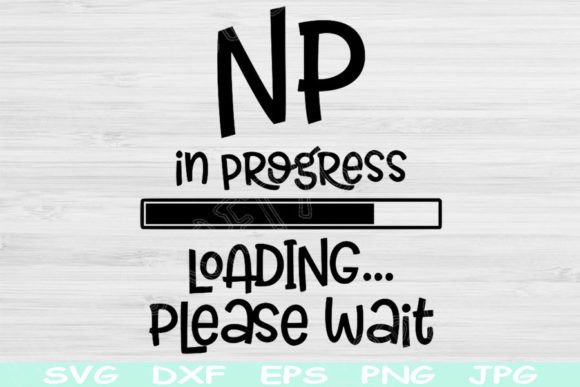
FNP Svg in Progress Loading Please Wait: Embroidery Review
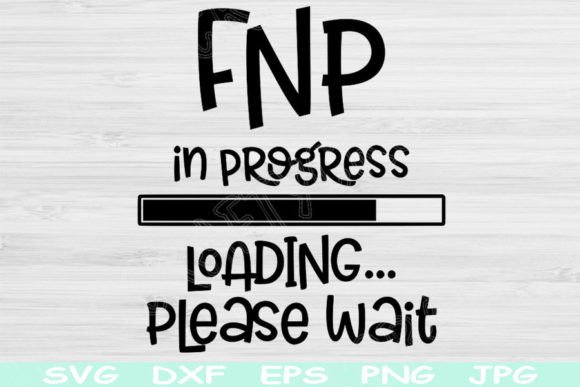
I pulled up the FNP Svg in Progress Loading Please Wait file on a quiet Tuesday morning, already picturing it stitched onto a crisp cotton tote bag for a nurse practitioner graduation gift. The design leans into a playful, knowing humor that medical professionals immediately recognize — the “loading” progress bar paired with the title “FNP” feels like a badge of the hard work that happens behind the scenes. As an embroidery designer who frequently tests digital assets for real-world craft projects, I wasn’t just looking at a nice graphic. I was mentally threading needles, checking letter sizes, and imagining how the satin stitch would behave around the tiny text details.
First Glance: Mood, Personality, and Theme
This design lands somewhere between a proud declaration and a witty inside joke. The phrase “in progress loading please wait” combined with the FNP acronym creates a sense of anticipation — it’s a nod to the years of study, clinical hours, and board exams. The overall shape likely rides on a horizontal or slightly stacked layout, with a progress bar visual that can be read even from across a room. When I think about the mood it sets, words like motivational, confident, and approachable come to mind. That personality makes it a strong candidate for personalized gifts and small shop merchandise aimed at nurses, nurse practitioners, or nursing students.
From a pure design standpoint, the FNP lettering is the hero element. The supporting “loading” graphic needs to stay crisp, and that’s where the real test begins for machine embroidery. As an SVG file, it’s a vector graphic that must be converted into an embroidery file format. The clarity of those small details — the percentage bar, the “please wait” text — will depend heavily on the original art’s construction and the digitizer’s skill. I always recommend testing the design at the intended size before committing to a final product.
Real Project Context: An Embroidered Tote Bag for a New FNP
I decided to run a real-case scenario: a mid-weight canvas tote bag, neutral oatmeal color, with a 5x7 inch hoop placement centered on the front panel. The recipient would be a nurse practitioner who just passed her certification. The gift needed to feel professional yet personal, durable enough for daily use, and visually clear. I loaded the FNP Svg in Progress Loading Please Wait into my digitizing software to check how the lines and curves translated into stitch paths.
Because the design is a digital artwork file from the Graphics category under Crafts, it arrives as an SVG, not a pre-digitized embroidery file. That means the user — whether you’re an Etsy seller, a hobbyist, or a small business owner — must handle the digitizing step. I’ll speak to that process throughout, but the core question is always: does the raw design hold enough visual weight and clean edges to survive the stitch conversion? In this case, yes, and I’ll explain why.
Typography, Space, and Stitch-Friendly Shapes
The FNP letters appear bold and blocky, which is a huge advantage for satin stitch execution. Thick, uniform strokes reduce the likelihood of stitches bunching or misaligning on textured fabric. The progress bar elements, if built with simple rectangles, will work nicely with fill stitch and a clean outline. However, any text that drops below 0.25 inches in height after scaling can become problematic. The “loading please wait” subtext is the part I’d watch closely. On a tight 4x4 hoop, that phrase might shrink to a size where running stitch or a very fine satin stitch struggles to stay legible. A quick test on scrap cotton tells you whether the letters need to be simplified or enlarged for the hoop you’re using.
How the Design Behaves on Different Products
I mentally mapped this design onto a handful of embroidery project types that crafters and apparel decorators actually use. On a sweatshirt, the design’s horizontal layout naturally fits across the chest or upper back. For a custom apparel piece, the playful loading message works as a conversation starter. On a cap or hat, the curved surface demands careful placement; the bar-like design might need to be arched or split into a front-and-side panel arrangement. I’d recommend testing the FNP SVG on a flat garment first before attempting a curved brim.
For baby clothes or nursery decor, the design could be scaled down to a 4x4 hoop and stitched onto a tiny onesie — but only if the “loading please wait” text remains clear. A soft knit fabric requires a sturdy stabilizer and reduced stitch density to prevent puckering. I’ve seen similar text-heavy designs lose their charm on stretchy cotton because the letters pull inward after washing. A no-show mesh cutaway stabilizer and a light touch on the pull compensation would be non-negotiable here.
Kitchen Towels, Pillow Covers, and Home Goods
A linen or flour sack kitchen towel is a fantastic canvas for this design. The slightly textured surface actually hides minor stitch imperfections, and the loading bar imagery feels playful in a home setting. Tote bag design remains my favorite pairing, though. The flat, stable surface of a canvas tote, combined with the large printable area, lets the design breathe. It also feels like a product that a nurse would actually use for work supplies, groceries, or a quick gym run. For a boutique product or small shop product lineup, this design could become a reliable seller during graduation season or Nurses Week.
Visual Impact and Buyer Engagement
When a customer scrolls through an Etsy listing or a craft fair display, the FNP SVG design has that instant recognition factor. The humorous “loading” concept triggers a smile, and that emotional response can nudge a buyer from “maybe” to “add to cart.” But the catch is in the execution. A poorly stitched progress bar, wobbly letters, or uneven density will make the finished product look amateurish. That’s where brand consistency and customer trust come into play. If you’re selling a handmade product with this design, your reputation hinges on whether the embroidery looks crisp and professional.
I always test the design in a black-and-white mockup first. Remove the color, and you’ll see if the contrast between the lettering and the background holds up. The FNP SVG, being a digital artwork file, likely ships as a single-color or minimal-color graphic. You’ll want to choose thread colors that pop against both light and dark fabrics. On a dark tote, a bright white or metallic gold satin stitch can elevate the design into something that feels gift-worthy. On a light fabric, a deep navy or charcoal thread adds a crisp, clean look.
Practical Embroidery Notes for Designers and Makers
Before you stitch the FNP Svg in Progress Loading Please Wait onto a final product, walk through these checks. They’re the same steps I follow for every new design I review, and they’ve saved me from wasting expensive blanks.
- Test on scrap fabric first. A piece of cotton twill similar to your final product will reveal how the stitches settle. Look for thread breaks, gaps in the fill, or letters that blend together.
- Check thread color contrast. Hold the stitched sample under different lighting. The design needs to be readable from a few feet away, not just up close.
- Review stitch density. If the digitized version feels stiff or causes the fabric to warp, reduce the density. The FNP SVG design has bold shapes that don’t need overly dense fills to look good.
- Confirm hoop size. Measure the design’s dimensions in your embroidery software. A 5x7 hoop is often ideal for a chest or tote placement, but if you’re limited to 4x4, you may need to scale down and simplify the secondary text.
- Inspect small details. Zoom in on the “loading please wait” text and any progress bar segments. If they feel too fragile, consider a slight outline or switching to a satin stitch with a thinner width.
- Test on both light and dark backgrounds. The same file can look drastically different. A dark fabric may require an underlay stitch or a lighter bobbin thread to prevent the background from showing through.
- Use proper stabilizer. For tote bags, a medium-weight cutaway stabilizer works best. For stretchy apparel, a no-show mesh cutaway is your friend. Don’t skip the stabilizer — it’s the invisible backbone of any machine embroidery design.
Where Caution Is Needed
This design isn’t a one-size-fits-all solution. I’d be cautious about using it on small hoop sizes under 4x4 inches, as the “loading please wait” text may become illegible. Thin fabric like lightweight jersey or sheer linen can pucker under the satin letters, so a heavy stabilizer and a softer stitch angle are essential. Stretchy fabric demands careful hooping and a basting stitch to avoid shifting. On dark fabric, the design’s thin lines could disappear if the thread color isn’t bright enough, so test with a white or metallic thread first.
For products that endure frequent washing, like a nurse’s scrub top or a kitchen towel, the embroidery must be dense enough to hold up but not so dense that it becomes stiff. I’d run a few wash tests with a sample to see how the threads behave. If the design includes very fine details, they might fray after repeated laundering. A satin stitch with a slightly wider column width can help those details survive longer.
Commercial Use and Licensing Awareness
Since the product description states that these are digital artwork files, it’s crucial to verify the license before selling finished items. Many SVG sets from the Crafts category allow personal use and small commercial use, but restrictions vary. Before you list a custom apparel item or a personalized gift on Etsy or at a craft fair, confirm that the license covers physical product sales. The design itself is a digital embroidery file asset in raw form, but your digitized version becomes a derivative work. When in doubt, reach out to the seller or creator for clarity. This small step protects your craft business and keeps your brand reputation intact.
The Emotional Hook and Giftability
What makes the FNP Svg in Progress Loading Please Wait stand out isn’t just the clever phrase — it’s the emotional connection it creates. A handmade tote bag, a stitched pillow cover, or an embroidered patch featuring this design becomes a token of recognition. It says, “I see the journey you’re on.” During graduation season, a nurse practitioner might receive a dozen generic gifts, but an embroidered item with this specific message feels thoughtful and curated. That giftability factor is huge for makers who sell holiday embroidery items or wedding gift alternatives.
For a small shop product lineup, this design can anchor a whole collection of medical-themed items. Pair it with a stethoscope graphic, a heartbeat line, or a simple floral accent, and you’ve got a series that buyers will return to. The loading bar theme also lends itself to printable mockups and design assets for digital previews, so you can showcase the product attractively online before a single stitch is made.
Final Checks Before You Stitch
I always advise fellow designers to treat every new embroidery file as a prototype until proven. The FNP Svg in Progress Loading Please Wait design has a strong visual personality, a clear theme, and a layout that fits many embroidery project types. The main risk lies in the small text and the user’s ability to digitize it cleanly. If you’re new to embroidery, consider using a professional digitizing service that can preserve the humor and clarity of the original Graphics file. A well-digitized version will use satin stitch for the main letters, fill stitch for the progress bar, and a delicate running stitch for the finer text, all balanced for your chosen fabric.
Before you load the hoop, take a moment to see the design through your customer’s eyes. Would they smile? Would they instantly recognize the pride and the playful tease? If the answer is yes, you’ve got a design that belongs in your regular rotation. The FNP Svg in Progress Loading Please Wait isn’t just a graphic — it’s a finished product waiting to happen, whether it’s on a tote bag, a sweatshirt, a baby blanket, or a boutique patch. With the right preparation, it can deliver a professional, high-value result that makes your handmade product stand out in a crowded market.