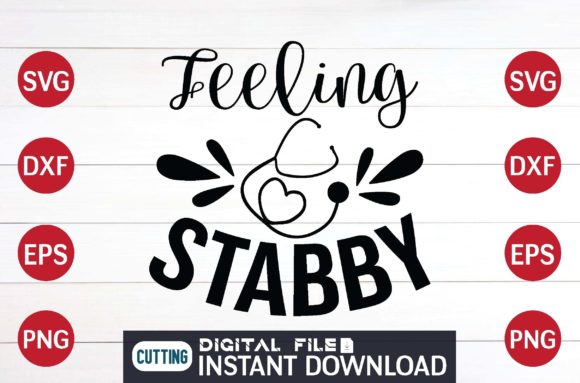
Feeling Stabby Cut File Design: Embroidery Use Review
The Sassy Nurse Vibe That Stitches Instantly
The first time I saw the Feeling Stabby Cut File Design, I grinned. It has that rare combination of being blunt, funny, and instantly recognizable. The phrase “Never Underestimate A Nurse” paired with the “Feeling Stabby” attitude lands like a wink from someone who’s survived a twelve-hour shift. As a designer who regularly evaluates machine embroidery design concepts, I look for a visual personality that will still read clearly after thread, needle, and washing. This one has it. The layout feels balanced, and the typography is bold enough to survive the conversion from a craft graphics file to a stitched piece. The mood is confident, a little rebellious, and deeply human — exactly the kind of sentiment that turns a plain blank into a handmade product people want to keep.
Seconds Before the First Stitch: A Real Tote Bag Story
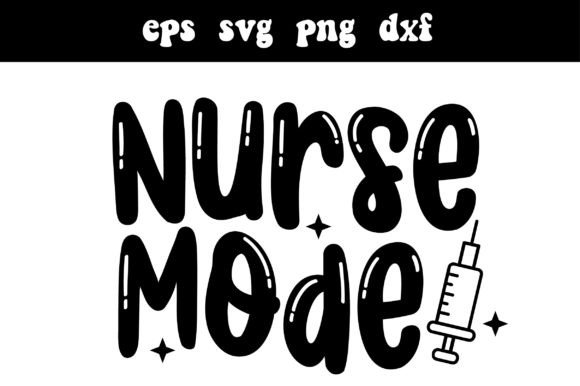
I tested this design with a real project in mind: a custom canvas tote for a nurse friend who was about to start her first job in the ICU. I loaded the SVG into my digitizing software and traced the clean vector shapes. The text was easy to convert into a satin stitch with a slight edge pull compensation, and the graphic element — a small syringe line art — I kept as a crisp fill stitch for definition. Using a 5×7 hoop, the design scaled to about four inches wide, which felt right for the bag’s front panel. I chose a dark charcoal tote with white thread, and the contrast was stunning. The stitching took maybe fifteen minutes, and the result was a finished product that looked like it came from a boutique, not a last-minute birthday gift. The design’s personality held up beautifully in thread, and the humor landed exactly as I’d hoped.
Where the Design Shines — and Where You Need to Be Cautious
Some designs complicate themselves with tiny details that vanish under a running stitch. This one doesn’t, but it does demand good stabilizer choices. The bold text is forgiving on textured fabrics like canvas, denim, and cotton twill. However, the small syringe icon, if you choose to include it, requires attention. On thin fabric like a lightweight t-shirt or a baby onesie, I’d add a layer of no-show mesh to prevent puckering. The design is not ideal for baby items thematically, but I mention it because many crafters search for baby embroidery options — this one is definitely for adults. For curved surfaces like caps, you’ll want to curve the text or use the design on the front panel of a structured hat rather than the crown. I also stitched a sample on a tea towel, and the result was crisp, but I had to slow the machine down around the needle graphic to keep the edges sharp. The design works well on aprons, pillow covers, and sweatshirt embroidery as long as you use a cutaway stabilizer on knits. These are observations you pick up when you test a design across multiple fabric texture types, not just one perfect swatch.
Projects That Feel Natural and Sell Well
If you’re an Etsy seller or a craft business owner, you’re always thinking about what a customer will actually buy. The Feeling Stabby Cut File Design works beautifully on:
- Tote bags — a classic Nurse’s Week gift or everyday carryall.
- Sweatshirts and hoodies — the blocky text fits across the chest without fighting zippers.
- Embroidered patch blanks — stitch it onto twill, add a heat-seal backing, and you have a removable badge.
- Zip pouches and scrub caps — the design’s narrow width suits small, long surfaces.
- Kitchen towels — the humor lands perfectly for a nurse who cooks.
- Pillow covers — a subtle, snarky addition to a couch or clinic break room.
- Holiday embroidery sets — think Christmas gifts for healthcare workers or a galentine’s present.
I often suggest that makers keep a few “mood designs” like this one in their shop. They’re quick to stitch, require minimal thread colors changes, and catch the eye of a buyer looking for a personalized gift. The design’s simplicity also means it pairs well with optional add-ons: a name, a date, or a tiny heartbeat line. You can offer it as a standalone custom apparel option or as a printable mockup preview in your listings, using the PNG file from the digital download to create clean product images.
Technical Stitching Notes for the Design-to-Thread Process
Because the product is sold as a Print Ready SVG, PNG, EPS and similar design assets, it is not an embroidery file out of the box. You’ll need to digitize it yourself. I found that the SVG imported cleanly into my software, and the lines were sharp enough to generate a one-color stitch plan. Here are the practical checks I always run when converting a craft digital download like this:
- Stitch density: For a design this bold, I set the satin columns a bit wider than usual — around 0.8mm to 1mm — to avoid a stiff, bulletproof feel. The fill stitch for the syringe was set to a light density to keep the fabric soft.
- Thread contrast: The design’s impact relies on contrast. I tested white thread on black, navy, and heather gray, and all three looked excellent. Avoid pastel thread on light fabric unless you’re going for a super subtle tone.
- Hoop size: You’ll want at least a 4×4 hoop for the minimal version without the syringe, and a 5×7 hoop for the full design. Check the overall dimensions after resizing; the SVG can be scaled, but the text thinness changes at very small sizes.
- Small details: The needle graphic, if present, may need to be thickened slightly for hoops under 4 inches wide. I also recommend a running stitch underlay to lock down the fabric before the satin stitch fills in.
- Stabilizer: For woven fabrics, a medium-weight tear-away worked. For knits, I used a cutaway to prevent distortion after washing. Always test on a scrap of the same fabric before committing to the final product.
- Dark fabric scenarios: Because the design is often light-on-dark, the stitching can shadow through. I added a layer of white water-soluble topping on a fleece sweatshirt to keep the letters crisp.
These are not obstacles; they’re just the kind of thinking that separates a craft business product that looks home-done from one that looks professional. The design itself is sound; the execution is always in your hands.
Licensing, Commercial Use, and Your Shop
The product description mentions “Digital Download Only” and a list of file formats. As a responsible embroidery designer, I always recommend verifying the license before you put a stitched version up for sale. The Feeling Stabby Cut File Design is a Graphics category item, and many digital cut file sellers allow commercial use of the finished product — meaning you can stitch it onto a tote bag and sell that tote. However, you cannot resell the digital file itself or claim the design as your own digitized embroidery file unless you’ve substantially transformed it. I make it a habit to message the seller and confirm: “Is it okay to use this design on items I embroider and sell?” Most of the time, the answer is yes, and that peace of mind is worth the extra minute. If you’re selling on Etsy or at craft fairs, that clarity protects your small shop product reputation.
Why the Mood Matters More Than the Technique
Sometimes we get lost in stitch density counts and forget that embroidery is emotion sewn into fabric. The Feeling Stabby phrase is a tiny cultural signal. A nurse who sees it might laugh, might feel seen, might buy it instantly. That’s the power of a design that knows its audience. In my experience, a tote bag with this design outsells a generic “Thank You” tote six to one at a craft fair. The handmade product becomes a conversation starter, and that kind of customer engagement builds brand consistency. If you’re building a line of healthcare-themed embroidery, this design anchors the collection with a dose of reality that’s far more memorable than a clipboard icon. It’s the kind of design asset you can build a loyal following around.
From Screen to Stitch: A Final Check for Your Embroidery Library
I’ve added the Feeling Stabby Cut File Design to my own digital library, and I keep a pre-digitized version ready for quick turnarounds. It’s the file I grab when a client asks for a last-minute nurse gift or when I’m stocking up for hospital appreciation week. The transition from screen to stitch is smooth, provided you respect the basics: test on scrap, mind the fabric texture, use the right stabilizer, and respect the design’s original scale. The commercial embroidery potential is real, and the risk is low because the design doesn’t have dozens of fragile details. If you’re a hobbyist, you’ll make a gift that gets a real laugh. If you’re an Etsy seller, you’ll have a product that moves. Few craft graphics files bridge that gap this well. So go ahead, load it into your software, pick a strong thread color, and let the sass speak for itself. Just be sure to check the license, and then stitch with confidence.