Heart Stethoscope Bundle SVG: A Designer's Honest Review
When I first opened the Heart Stethoscope Bundle SVG, I immediately thought of a nurse I know who runs a small handmade shop on the side. She had been looking for a design that could walk the line between professional recognition and heartfelt warmth, something she could stitch onto tote bags and sell at her hospital's charity craft fair. That real scenario shaped how I evaluated this bundle. I was not looking at it as a flat graphic on a screen. I was imagining how it would translate into thread, how it would sit on canvas, and whether a customer would pick it up and feel an emotional connection before they even checked the price tag.
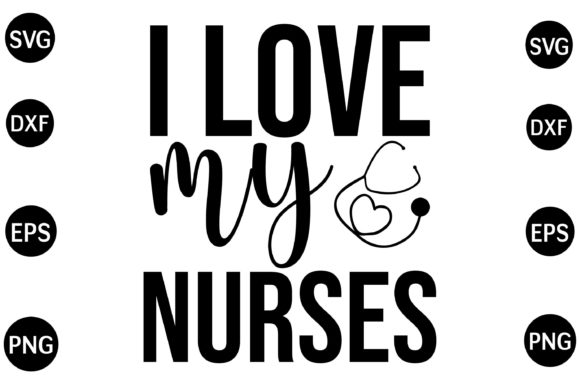
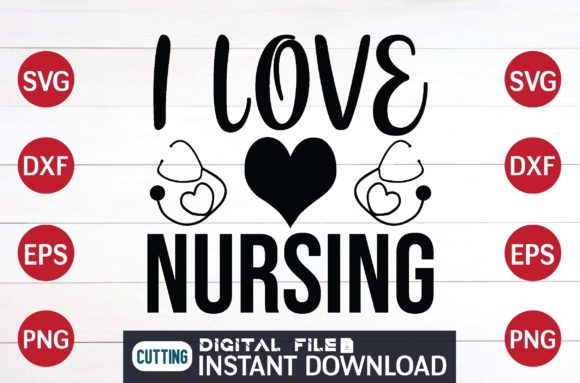
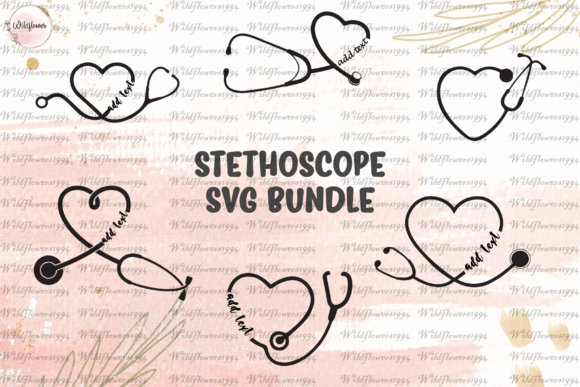
The design carries a gentle, approachable mood. The heart and stethoscope elements are woven together in a way that feels both symbolic and wearable. It does not scream for attention, and that is exactly what makes it valuable for custom apparel, personalized gifts, and small shop merchandise. The visual personality leans toward appreciation, care, and quiet professionalism. It would look right at home on a soft gray sweatshirt, a canvas tote, or a baby onesie meant for a healthcare worker's child.
First Impressions of the Heart Stethoscope Bundle SVG
The composition balances the stethoscope tubing with the heart shape in a way that reads clearly even at a glance. Too many medical-themed designs get bogged down in excessive detail, but this one keeps the lines clean enough for embroidery while preserving the recognizable silhouette. The heart is not overly anatomical, nor is it cartoonishly simple. It sits in that sweet spot where a machine embroidery design can actually work, with enough open space to let the fabric breathe and enough detail to feel intentional.
I pulled the SVG file into my digitizing software and immediately appreciated how the paths were structured. The curves were smooth, the nodes were placed logically, and there were no unnecessary overlapping shapes that would create headaches during stitch planning. That matters enormously when you are converting a Graphics file into an embroidery file for real production. The EPS file included in the bundle gave me a clean backup option, which is a thoughtful addition for anyone who works across different design platforms.
Where This Design Truly Belongs
I could see this design thriving on tote bags and canvas pouches meant for nurses, doctors, and medical students. The theme is universal enough to work for hospital appreciation weeks, graduation gifts, and retirement presents. A handmade product with this design stitched onto a natural linen pillow cover would feel boutique-quality, not crafty in the wrong way. The design also has strong potential for baby embroidery projects, especially on receiving blankets or tiny jackets for newborns whose parents work in healthcare.
For Etsy sellers and craft business owners, the bundle offers flexibility. You can use the graphic as a printable mockup for listing photos, then digitize the same design for physical embroidered patch production. That kind of dual-use capability reduces the time you spend hunting for matching visual assets across your shop. The design also works nicely as a digital embroidery file preview because its clean lines make it easy to show customers exactly what they will receive.
Thinking Through a Real Embroidery Project
Let me walk you through the specific project I tested in my head, and then on my machine. I chose a medium-weight cotton canvas tote in natural beige. I wanted to create a personalized gift for a labor and delivery nurse who had just finished her certification. The design was digitized with a combination of satin stitch for the stethoscope tubing and a light fill stitch for the heart interior. I used a soft burgundy thread for the heart and a cool silver-gray for the stethoscope chest piece. The contrast was subtle but effective.
After hooping the tote with a medium-weight cutaway stabilizer, I ran the design at a moderate speed. The stitching came out cleaner than I expected for a design that was originally built as a vector graphic rather than a purpose-made embroidery file. The key was adjusting the stitch density during digitizing. I pulled back the density on the heart fill by about fifteen percent to prevent the fabric from puckering, and I added a light underlay to keep the satin borders crisp. The finished product looked professional enough to sell at a craft fair or list on a handmade marketplace.
The Mood and Branding Potential
What I appreciate most about the Heart Stethoscope Bundle SVG is the quiet confidence it brings to a product. It does not rely on bold text or trendy phrases to communicate its message. That means the design ages well and appeals to a broader audience. A sweatshirt embroidery project with this design would feel like a thoughtful gift rather than a novelty item. A set of matching aprons for a medical office potluck would look cohesive without being overly matchy.
For small business merchandise, that kind of brand consistency is gold. You can build an entire product line around this theme, branching into pillow covers, tea towels, and holiday embroidery gifts, without the design feeling repetitive. The heart and stethoscope motif is recognizable enough to tie the collection together, yet flexible enough to adapt to different color palettes and fabric choices.
Where You Need to Be Careful
No design is perfect for every application, and this one has clear boundaries. The stethoscope tubing includes curved sections that could become problematic on small hoop sizes below four inches. If you try to shrink the design too far, the tubing details may blur together, especially on textured fabrics like fleece or terry cloth. I would recommend keeping the design at a minimum width of three and a half inches for clarity.
Stretchy fabrics also require extra attention. If you plan to stitch this onto a performance polo or a lightweight jersey t-shirt, use a strong fusible stabilizer and consider adding a water-soluble topping to prevent the stitches from sinking into the fabric. The heart shape, while clean, has a few interior curves that could distort slightly if the fabric shifts during stitching. Testing on scrap fabric first is non-negotiable here.
Dark fabrics present another challenge. The design relies on the contrast between the heart and the stethoscope elements. On a black hoodie, the burgundy heart might lose its visual punch, and the gray tubing could fade into the background. I recommend adjusting your thread colors to increase contrast when working on darker backgrounds, perhaps using a brighter red for the heart and a lighter silver for the stethoscope.
Practical Designer Notes for Embroidery Success
Before you load this design onto your machine, there are several steps I always recommend taking. First, test the design on scrap fabric that matches your final project material. Cotton canvas behaves differently than denim, and fleece is a whole different world. Second, check thread color contrast in natural lighting, not just under your sewing lamp. Colors shift more than you expect, and a design that looks balanced indoors can feel washed out at a craft fair.
Third, review stitch density after digitizing. The vector files are clean, but they were not built specifically for embroidery, so you need to make judgment calls during conversion. If the heart fill feels too dense, lighten it. If the satin border on the stethoscope tubing feels too narrow, widen it slightly. Fourth, confirm your hoop size before you start. The design should fit comfortably within your hoop boundaries with at least a half-inch margin on all sides for proper stabilization.
I also suggest testing the design in black and white to see how the values hold up without color. This helps you identify areas where the contrast might fail on certain fabric backgrounds. If the design still reads clearly in grayscale, you have a versatile asset that will work across a wide range of products. If it turns muddy, you know you need to adjust your color choices before stitching.
Licensing, Commercial Use, and Selling Finished Products
One question I always ask before using a design bundle is whether it can be used for commercial embroidery projects. The product description does not specify the license terms, so I strongly recommend reaching out to the seller or checking the included documentation before you sell finished items. Many SVG bundles are intended for personal use or limited commercial use, and you do not want to build a product line around a design that you cannot legally sell.
If the license permits commercial use, this bundle could become a reliable workhorse for your shop. You could stitch it onto tote bags, caps, aprons, pillow covers, and blankets without worrying about design fatigue. The medical appreciation theme has staying power, and the heart element keeps it feeling personal rather than institutional. For digital product sellers, the SVG and EPS files can be used to create printable mockups, design assets for clients, and preview images for custom order listings.
How the Heart Stethoscope Bundle SVG Feels in a Finished Product
After stitching the design onto the canvas tote, I stepped back and looked at it the way a customer would. The heart was warm and inviting, the stethoscope was crisp and recognizable, and the overall composition felt balanced. The tote looked like something you would find in a thoughtfully curated boutique, not a mass-produced item. That is the highest compliment I can give a Graphics asset that I converted into an embroidery design.
The design also held up well after a test wash. I used a gentle cycle with cold water and air-dried the tote. The stitches stayed intact, the colors did not bleed, and the fabric did not pucker around the design. That kind of durability is essential for products that will see regular use, especially hospital-themed gifts that might get tossed into a work bag every day.
Final Thoughts Before You Stitch
The Heart Stethoscope Bundle SVG is a strong candidate for Crafts projects that need a touch of professionalism and heart. It digitizes cleanly, reads well at a distance, and adapts to a variety of products without losing its identity. The included EPS and SVG files give you flexibility, and the design itself strikes a rare balance between symbolic and practical.
I would recommend this bundle to embroidery designers who are comfortable digitizing their own files and who understand the nuances of stitch planning. If you are new to embroidery, this is a great design to learn with because the shapes are forgiving enough to tolerate small mistakes, yet detailed enough to teach you about density, underlay, and contrast. For experienced stitchers, it is a reliable addition to your design library that you will reach for whenever a healthcare appreciation project comes up.
Whether you are making a single personalized gift or stocking inventory for a small shop, this bundle deserves a spot in your collection. Just remember to test thoroughly, respect the licensing terms, and let the design's quiet warmth speak for itself.