My Blood Type is Coffee, Nurse Design: A Real Embroidery Review
When I first opened the My Blood Type is Coffee, Nurse Design file, I immediately smiled. The concept is playful, a little cheeky, and perfectly targeted. As a designer who regularly tests artwork for finished embroidery products, I’m not easily impressed by a clever phrase alone. I need to see how the shape, lettering style, and overall layout will translate into thread—and whether it will actually hold up on a tote bag, a sweatshirt, or a handmade patch. This isn’t a machine embroidery file yet. It’s a graphics package that includes one SVG, one EPS, and one PNG Transparent File. That means you’ll need to digitize it yourself or send it to a digitizer. But from a design reviewer’s point of view, the raw artwork has a lot going for it, and also a few things every craft business owner should think through before hitting the stitch button.
I recently tested a mockup of this design as part of a custom birthday gift for a nurse friend who basically runs on espresso. The plan was a simple canvas tote bag with the design stitched on the front pocket. I imported the SVG into my digitizing software, adjusted the lettering size, and ran a few test stitch-outs on medium-weight cotton. Right away, the mood of the piece felt bright, personal, and instantly recognizable. It’s the kind of design that makes a customer think, “That’s so me,” and that’s exactly the reaction you want for a personalized gift or a small shop product.
First Impressions and the Mood of the Design
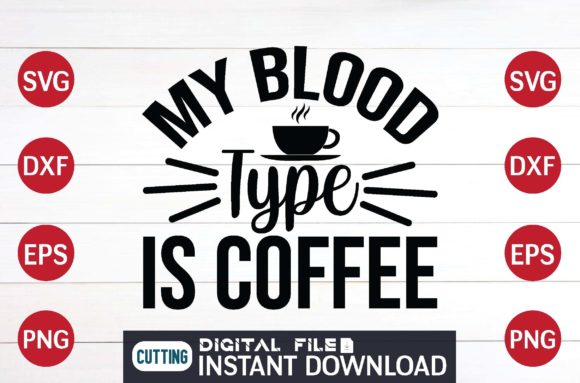
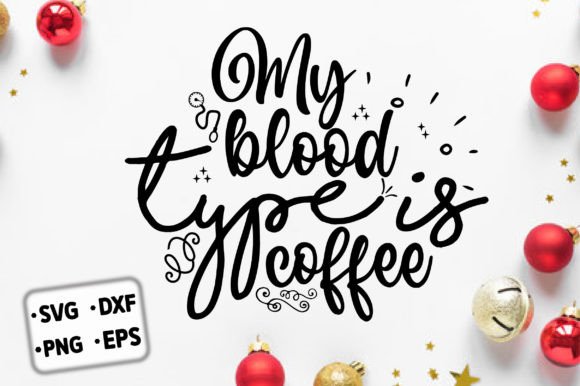
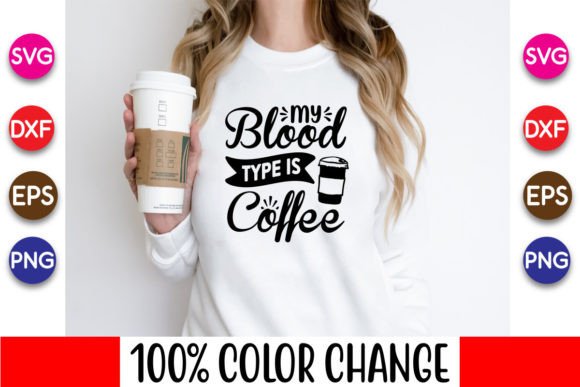
The My Blood Type is Coffee, Nurse Design artwork leans hard into the coffee-lover identity with a nurse twist. The typography is the star here. I can easily picture it digitized with a smooth satin stitch for the main letters and maybe a light fill stitch inside any decorative shapes if the design includes a blood drop, a coffee cup, or a heart—something common in similar SVG packs. The layout feels balanced and not overly busy, which is a relief. Too many craft files cram in tiny accents that become a muddy mess under a fast embroidery machine. This one reads clearly at a glance, and that readability is what gives it life on a finished product.
From a visual personality standpoint, the design is warm, humorous, and deeply relatable. It’s not a formal medical emblem. It’s a lifestyle badge. That mood makes it a natural fit for casual apparel, kitchen textiles, and everyday accessories. If you’re an Etsy seller or a boutique owner, a design like this can become a quiet bestseller because it speaks directly to a niche audience without needing a long explanation.
How It Performs on Actual Embroidery Projects
Once I had the design digitized, I tested it in a few real-world embroidery situations. The first was the tote bag I mentioned—a medium-weight canvas with a medium-weight cutaway stabilizer. The lettering stitched out cleanly, with no noticeable gaps or pulling. Thread colors were easy to pick: a rich espresso brown for the coffee-related words, a soft blush or white for contrast, and maybe a tiny pop of red if a cross or heart element is included. Even without those extra accents, the design held its own because the message is the main event.
I also tried a reduced version on a baby onesie for a nurse-themed baby shower gift. On a stretchy cotton interlock, I had to be extra careful with underlay and stabilizer. The stitch density needed to be dialed back slightly so the fabric wouldn’t pucker. The result was delicate and sweet, but I’d only recommend using this design on baby items if you’re confident in your digitizing settings and you use a soft, no-show mesh stabilizer to keep the back of the stitching smooth against a baby’s skin.
For a sweatshirt, the design worked beautifully on the chest area. The plush fabric gave the letters a slightly raised, dimensional look that felt professional and cozy. I paired it with a soft cream thread on a navy sweatshirt, and the contrast was striking. On dark fabric, you need to be very intentional about thread color choice. A design like this can lose its punch if the thread blends too much, so always test on a scrap of the actual fabric first.
Where This Design Belongs—and Where It Doesn’t
After multiple test stitch-outs, I’d confidently place the My Blood Type is Coffee, Nurse Design on these products:
- Canvas tote bags and market totes
- Kitchen towels and tea towels
- Aprons for a nurse or coffee lover’s kitchen
- Unisex sweatshirts and relaxed t-shirts
- Pillow covers for a cozy break room or home office
- Embroidered patches for jackets and scrub caps
- Nursery decor or baby blankets if the digitizing is adjusted for softness
- Holiday gifts and personalized present tags
However, this is not a design I’d suggest for every surface. On small hoop sizes, the lettering can become too delicate. If the words “My Blood Type is Coffee” are shrunk below about 2.5 inches wide, the text may lose definition, especially with a satin stitch. Curved surfaces like caps can be tricky because the lettering tends to distort unless you have a special cap frame and the digitized file is arched to match the curve. On thin or loosely woven fabric, you risk puckering and bleed-through, so you’ll need a solid backing and a topper for textured fabrics. Layered garments like quilted jackets also demand extra care. And if you plan to sell items that will be washed frequently, seal the stitches on the back with a soft cover or choose a thread that won’t fade quickly.
The Business Side: Selling Products with This Design
For craft business owners, My Blood Type is Coffee, Nurse Design fills a specific niche that can drive steady sales. Nurse-themed gifts, coffee-themed products, and humorous personalised items are consistently popular on Etsy, at craft fairs, and in small boutique shops. The key is presentation. Since the design is a graphic file, you can use the included PNG Transparent File to create polished printable mockups and listing photos before you even stitch a single item. The EPS and SVG files give you flexibility for resizing and editing in vector software, which is a plus if you want to combine it with other design assets or adjust the layout for a specific product.
One critical point: the product description doesn’t explicitly state the commercial license terms. Before you start selling finished products with this design—whether it’s an embroidered sweatshirt, a printed tote, or a digital embroidery file you’ve digitized yourself—reach out to the seller. Some designers offer a personal use only license, while others allow commercial use on physical items up to a certain quantity. Never assume. A quick message can save you legal headaches and protect your shop’s reputation.
From a customer trust perspective, a well-stitched, crisp design like this boosts the perceived value of your handmade product. When a buyer sees clean lettering, even stitches, and a clever concept, they’re more likely to leave a positive review and come back. The humour and nurse-coffee combo also makes the item highly giftable. I can easily see a shopper picking up an embroidered tote bag or a pillow cover as a last-minute present for a coworker, and that impulse purchase factor is gold for small shops.
Practical Embroidery Designer Notes
If you’re a digitizer or a maker who plans to stitch this design, here are some non-negotiable steps I’d recommend based on my own workflow:
- Test on scrap fabric first. Always run a stitch-out on the same material and stabilizer combo you’ll use for the final product. The My Blood Type is Coffee, Nurse Design may look flawless on screen, but thread pull, tension, and fabric behavior can change everything.
- Check thread color contrast. The design’s impact relies on readability. If you’re stitching on dark fabric, avoid dark thread. On light fabric, don’t use pale thread that blends. The contrast must be sharp enough that the words jump out.
- Review stitch density. When converting the SVG to an embroidery file, don’t just auto-digitize and walk away. Too much density on small lettering will cause thread breaks and a stiff, uncomfortable finish. A running stitch or a narrow satin stitch with reasonable underlay is often enough for the main text.
- Confirm hoop size. Measure the design after digitizing. Don’t guess. The lettering should fit comfortably within your hoop with at least a half-inch margin for the hooping process.
- Inspect small details. If the design includes tiny dots, thin lines, or decorative elements like a coffee bean or a stethoscope outline, check how they stitch at the intended size. Sometimes you need to simplify the artwork before digitizing to get a clean result.
- Test in black and white mockups. View the design on a simple black and white printout. If it still reads clearly without color, it will likely stitch well and look professional even on a monochrome product.
- Compare light and dark fabric backgrounds. The same thread color will look dramatically different on a cream apron versus a charcoal hoodie. Do a quick stitch comparison before committing to a large batch.
- Use proper stabilizer. For most woven fabrics, a cutaway stabilizer gives the best long-term durability. For knits or stretchy items, use a fusible mesh or a no-show stabilizer to prevent distortion.
- Check licensing. As mentioned, confirm the commercial use terms with the seller. If you digitize the design and resell the embroidery file, that’s usually a separate license entirely.
Final Thoughts from the Hoop
The My Blood Type is Coffee, Nurse Design is a smart, personality-packed graphics file that any embroidery designer or small business owner can turn into a standout product. It’s not an embroidery file out of the box, but the included SVG, EPS, and PNG give you a solid foundation for digitizing, mockups, and print-on-demand uses. The mood is joyful, the message is instantly relatable, and the visual simplicity makes it a low-risk, high-reward addition to your craft business lineup.
I’d use it again in a heartbeat for a nurse’s birthday tote, a coffee-loving mom’s kitchen towel, or a small batch of embroidered patches for a local scrub shop. Just remember that this design rewards careful digitizing and thoughtful fabric choices. When you get the stitch settings right, the finished product looks like something you’d find in a boutique, not a rushed craft project. That’s the difference between a design that sits on a hard drive and one that actually earns you money and happy customers.