Nurse Fuel SVG: An Embroidery Designer's Review
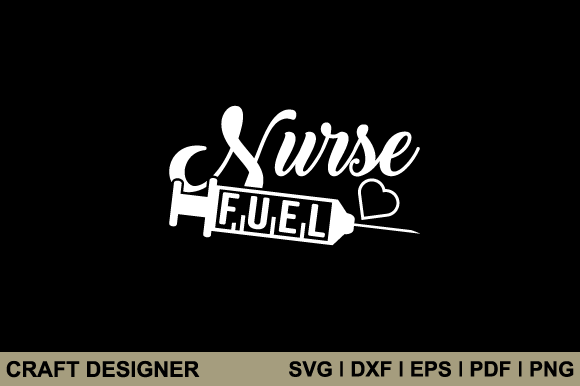
I have been working with embroidery designs and digital assets for over a decade, and I have learned that a good design file is not just about what looks pretty on a screen. It is about how it translates to thread, fabric, and a finished product that someone will actually use or wear. When I first opened the Nurse Fuel Svg Printable Cut File, I immediately felt the playful, relatable energy that this type of design brings to the crafts world. It has a bold, slightly cheeky personality that would resonate with healthcare workers, especially nurses who practically run on caffeine and dedication.
The design itself has a clear theme, a strong silhouette, and a visual mood that feels both modern and functional. It belongs to the Graphics category, but do not let that simple classification fool you. For embroidery designers, a well-structured vector file like this is a starting point for something much more tactile and personal. The shape reads well from a distance, which is half the battle when you are thinking about how a design will look on a finished product like a tote bag, a sweatshirt, or a kitchen towel.
First Impressions and the Mood It Creates
What struck me immediately was the confidence of the layout. The design is not trying to be overly delicate or intricate in a way that would get lost in thread. Instead, it has a bold presence that would hold up beautifully as a machine embroidery design, especially if you are planning to use it for an applique approach or a clean satin stitch finish. The lettering has enough weight to stitch clearly, and the overall composition feels balanced without being stiff.
There is a warmth to this design that goes beyond the graphics themselves. It taps into a shared experience, the long shifts, the early mornings, the thermos of coffee that keeps everything moving. For anyone who has ever made a personalized gift for a nurse friend, a family member in healthcare, or a client who wanted something custom for their hospital team, this file has built-in emotional appeal. It is the kind of design that makes someone smile before they even touch the fabric.
A Real Project Scenario: The Custom Apparel Test
Let me walk you through a real scenario I had in mind while evaluating this file. I was prepping a small batch of custom sweatshirts for a boutique order, and the client wanted something that felt personal but not overly sentimental. The request was for a nursing-themed design that could work on a unisex crewneck, something that would look equally good on a tote bag or a zip-up hoodie. I pulled up the Nurse Fuel Svg Printable Cut File and started visualizing how it would behave once digitized and stitched out.
I imagined the design on a soft cotton-blend sweatshirt in a heathered gray. The contrast would be sharp, especially if I used a deep navy thread for the main shapes and a bright white or cream accent for the lettering. The scale felt right for a left-chest placement, roughly four inches wide, which is a sweet spot for embroidery on apparel. It would also work as a larger back design, maybe seven to eight inches wide, without losing clarity or feeling too heavy on the fabric.
One thing I always do before committing to a design is check how the negative space behaves. In this case, the file has enough breathing room between elements that the stitches would not blend into each other, even after a few washes. That matters a lot when you are thinking about long-term durability and how a finished product holds up for a customer who wears it every week.
Performance Across Different Embroidery Products
When I evaluate a design for real embroidery use, I run through a mental checklist of product types. This file is versatile enough to fit several categories without forcing the design into awkward proportions. Here is where I see it performing best:
- Tote bags and canvas carryalls: The bold shapes would stitch cleanly on medium-weight canvas, and the theme makes it a natural fit for a nurse's work bag or a grocery tote.
- Sweatshirts and hoodies: The design has a casual, relatable vibe that works beautifully on cozy apparel, especially for fall and winter gift seasons.
- Kitchen towels and aprons: This is where the coffee-meets-nursing humor really lands. A flour-sack towel with this design would be a bestseller at a craft fair or in an Etsy shop.
- Pillow covers and nursery decor: For a pediatric nurse or a new mom in healthcare, this design on a throw pillow cover feels thoughtful and personal without being too cutesy.
- Embroidered patches: If you are into patch making, the outline quality of this file gives you a great foundation for a merrowed-edge patch that could be sold individually or added to jackets and scrub caps.
One product type I would approach with caution is baby clothes. The design itself is not inappropriate, but the scale and density would need careful adjustment. Tiny onesies and bibs have limited embroidery space, and a design with lettering and multiple elements could feel cramped or become too stiff for delicate infant fabrics. If you do go that route, reduce the size sparingly and always test on scrap fabric first.
Where You Should Use This Design Carefully
Every design has its comfort zone, and part of being a responsible embroidery designer is knowing where the edges are. The Nurse Fuel Svg Printable Cut File has a few characteristics that warrant extra attention in certain situations. The lettering, while bold, could become problematic if you shrink the design too aggressively. Small text in embroidery is unforgiving, and anything under a quarter-inch in height risks losing definition, especially on textured or stretchy fabrics.
Speaking of fabric, I would be cautious with high-stretch materials like performance wear or thin ribbed knits. Without proper stabilizer and possibly a topping layer, the stitches could sink into the fabric and distort the lettering. Dark fabrics also require more thought. The design reads well with contrast, but if you are stitching a dark thread on a dark background, the impact fades. Always test your thread color choices against the actual fabric you plan to use.
Curved surfaces like baseball caps present another challenge. The design has a horizontal orientation that works well on flat or gently curved areas, but wrapping it around a cap crown could distort the proportions. If a client requests this on a hat, I would suggest moving it to the side panel or scaling it down to fit the front panel without bending the lettering too much.
Visual Appeal, Customer Trust, and Brand Consistency
There is a practical side to design evaluation that goes beyond stitch quality, and it has everything to do with how a customer perceives the finished product. The Nurse Fuel Svg Printable Cut File has a friendly, approachable personality that builds trust quickly. When a buyer sees this design on a handmade product, they immediately understand the message and the intended audience. There is no confusion, no awkward explanation needed. That clarity is valuable for small business owners and Etsy sellers who rely on quick visual communication in listing photos and social media posts.
From a brand consistency standpoint, this file fits well into a product line that celebrates healthcare workers, coffee culture, or everyday humor. It would not feel out of place next to other nursing-themed designs, and it has enough uniqueness to stand on its own without relying on overused clip art tropes. The handmade presentation feels polished, not amateurish, which is exactly what you want when you are building a reputation for quality embroidery work.
Giftability is another factor I weigh heavily. A design that makes someone say, "I know exactly who would love this," is worth its weight in thread. The Nurse Fuel Svg Printable Cut File has that instant recognition factor. It is specific enough to feel personal but broad enough to appeal to a wide range of nursing professionals, from seasoned ICU veterans to newly graduated LPNs.
Practical Designer Notes Before You Stitch
Over the years, I have developed a set of habits that save me from ruined projects and wasted materials. If you are planning to use this file for embroidery, here are some practical steps I recommend:
- Test on scrap fabric first. This is non-negotiable. Even if you have digitized similar designs before, a quick stitch-out on the same fabric you plan to use for the final product will reveal any density or tension issues before they become costly mistakes.
- Check your thread color contrast. Hold the thread spools against the fabric under natural light and indoor light. What looks crisp in daylight might wash out under warm home lighting, and your customer's experience matters in both settings.
- Review stitch density carefully. If you are digitizing from the vector file, pay attention to how the fill stitches interact with the fabric. Too dense, and the design becomes stiff and uncomfortable on apparel. Too light, and the fabric shows through in a way that looks unfinished.
- Confirm your hoop size. Measure the design at the scale you intend to use and make sure it fits comfortably within your hoop with enough clearance for the machine to operate without hitting the frame.
- Inspect small details. Zoom in on the lettering and any fine lines. If the file includes delicate elements that might not translate well to thread, simplify them before digitizing rather than fighting with thread breaks later.
- Test in black and white mockups. Stripping the color away helps you see the tonal values and contrast more honestly. If the design still reads well in grayscale, it will likely hold up across different thread color combinations.
- Compare light and dark fabric backgrounds. A design that looks fantastic on white canvas might lose its punch on navy or black. Test both extremes before offering multiple colorways in your shop.
- Use proper stabilizer for your fabric type. Cut-away for knits, tear-away for wovens, and a topping for fluffy or textured surfaces. The right stabilizer choice can make the difference between a professional finish and a puckered mess.
- Confirm licensing before selling finished items. This is critical for commercial embroidery projects. The product description states that the file is specially made and comes in SVG, DXF, EPS, PDF, and PNG formats within a zip folder. You must extract the zip folder to access the files. However, I always advise checking the specific license terms for commercial use, especially if you plan to sell finished products, digital embroidery files, or printed transfers. Do not assume anything. Reach out to the seller if the terms are not clear.
Working With the File Formats for Embroidery Projects
The Nurse Fuel Svg Printable Cut File arrives as a zip folder containing multiple formats. For embroidery designers, the SVG and EPS formats are the most immediately useful because they are vector-based and can be imported into digitizing software without losing quality. The PNG provides a quick reference for layout and color planning, while the DXF format is handy if you are working with cutting machines for applique fabric pieces. The PDF is a nice bonus for printing templates or creating physical mockups for client approval.
One thing I appreciate about having multiple formats in a single download is the flexibility it offers across different parts of my workflow. I can use the vector file for digitizing, the PNG for a quick product mockup in my listing photos, and the PDF for a printed reference at my stitching station. It is a small thing, but it saves time and keeps the creative process moving.
Final Thoughts From the Embroidery Table
After spending time with the Nurse Fuel Svg Printable Cut File, I can say with confidence that it is a strong candidate for a wide range of embroidery projects. It has the personality, the visual clarity, and the thematic appeal that crafters and small business owners need when they are building products that connect with real people. Whether you are stitching a single custom sweatshirt for a friend or preparing a full product line for your boutique, this design brings a playful, professional energy that customers will recognize and appreciate.
Like any design asset, its success depends on how thoughtfully you handle the technical details. Test it, adjust it, and respect the fabric it will live on. When you do that, the finished product will not just look good, it will feel like something made with care, and that is exactly what keeps customers coming back.