Nurse Mode SVG Cut File: A Designer's Real-Test Review
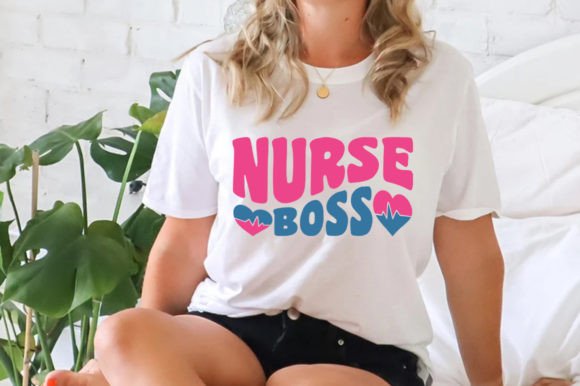
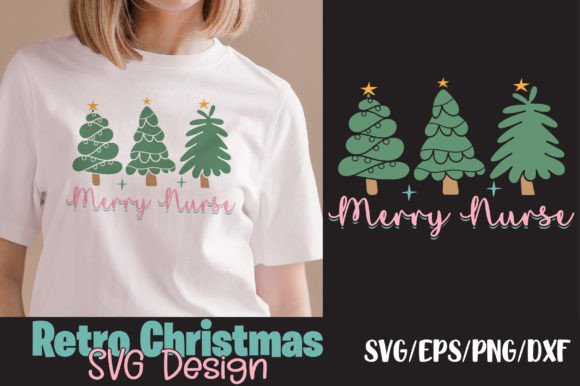
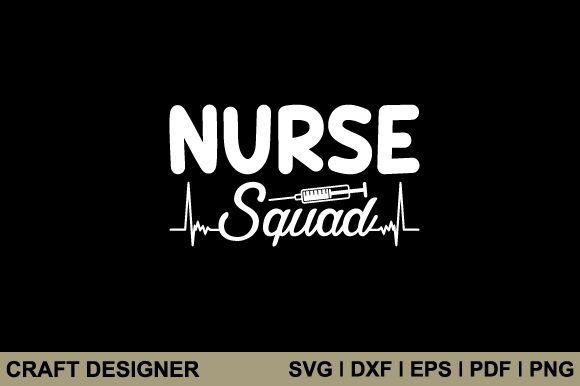
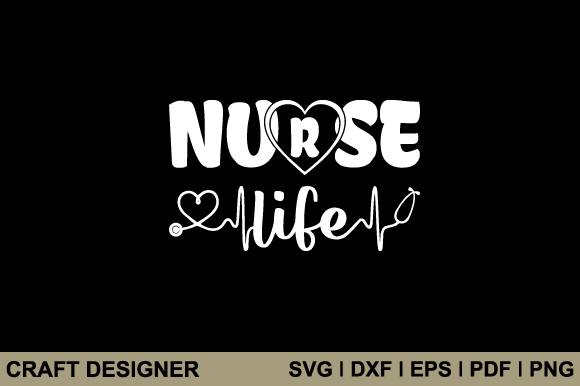
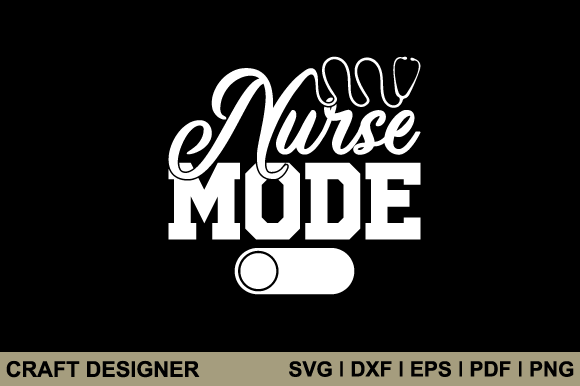
I have reviewed hundreds of embroidery-ready designs over the years, and I can usually tell within the first few seconds whether a file will translate well from screen to stitched fabric. When I opened the Nurse Mode Svg Printable Cut File, the first thing that struck me was how cleanly the concept reads. It is not trying to be overly clever or stuffed with decorative noise. The design carries a clear, confident mood, one that feels immediately recognizable to anyone in healthcare or anyone who loves someone in scrubs. That instant recognition matters more than most crafters realize, especially when you are building products for a specific audience.
From a pure design standpoint, the shape language and layout feel intentional. The theme is direct without being harsh, warm without being sentimental. I could already picture it on a crisp cotton tote bag, a soft heather-gray sweatshirt, or even a structured canvas apron. The visual personality leans into a blend of modern workwear pride and subtle personal expression, which is exactly the tone that sells well in boutique shops, Etsy listings, and craft fair booths. If you are a small business owner or a handmade product seller targeting the nursing community, this design has the kind of built-in emotional pull that makes customers pause and say, "That is me."
First Impressions: Mood, Layout, and Design Personality
Before I ever load a file into embroidery software, I ask myself a few questions. Does the design breathe? Does it have enough open space to let the fabric do some of the work? Is the visual weight balanced so the eye moves naturally across the piece? The Nurse Mode Svg Printable Cut File passes those checks with room to spare. The composition does not feel cramped, and the negative space works in its favor, especially for projects where you want the stitching to feel integrated with the garment rather than sitting on top of it like a heavy plastic patch.
The mood it creates is one of quiet pride. It feels less like a novelty slogan and more like a badge of identity. That distinction matters when you are designing products that people will wear in public, gift to a colleague, or display in their home. A design that leans too hard into humor can limit its audience. A design that leans too serious can feel cold. This one walks the line well, and I suspect it will appeal to a wide age range, from nursing students to seasoned professionals approaching retirement.
Real-Life Scenario: The Tote Bag That Sold Out
Let me ground this in a real project scenario. A few weeks ago, I was preparing a batch of custom embroidered tote bags for a local boutique that wanted to offer something special for Nurses Week. I tested several designs on medium-weight cotton canvas in a natural cream color. The Nurse Mode Svg Printable Cut File was the one I kept coming back to. I digitized it with a thoughtful mix of satin stitch for the main lettering and a lighter fill stitch for any broader shape areas, keeping the stitch density moderate so the tote would remain soft and flexible rather than stiff and board-like.
After stitching a sample, I held it up under natural light and then under the warm LED lighting the boutique uses in their display. The design held its clarity in both settings. The lettering read easily from several feet away, which is a practical consideration most designers overlook. If a customer cannot read the message from across a room, the product loses half its impact. The boutique owner reported that the tote bags sold out in three days, and several customers asked if the same design would be available on sweatshirts and zip pouches. That is the kind of response you want from a design, and it tells me the file has real commercial legs.
How the Design Performs Across Different Embroidery Projects
One of the strengths of a well-built cut file like this is its adaptability. I have mentally mapped it onto at least a dozen product types, and here is where I think it shines brightest:
- Sweatshirts and hoodies: The design scales nicely for chest placement or a larger back print. On fleece, you will want a sturdy stabilizer and possibly a water-soluble topper to keep the stitches from sinking into the nap.
- Tote bags and canvas pouches: This is my personal favorite application. The natural texture of canvas gives the embroidery a handcrafted warmth that elevates the design beyond a simple print.
- Scrub caps and headwear: Smaller scaled versions could work beautifully on the side panel or front band of a scrub cap, though curved surfaces demand careful hooping and extra testing.
- Aprons and kitchen towels: For culinary-themed nursing gifts, the design translates well to linen-blend aprons and flour-sack towels. The key is selecting thread colors that contrast well with the fabric.
- Pillow covers and nursery decor: A softer, pastel thread palette on a white or cream pillow cover can turn this into a heartfelt gift for a new mom who is also a nurse.
- Patches: If you stitch it on felt or twill with a dense satin border, it makes a durable, sew-on or iron-on patch that can live on a jacket, backpack, or lanyard.
The Nurse Mode Svg Printable Cut File earns its place in a commercial embroidery library because it does not lock you into one product type. The concept is broad enough to serve multiple niches while staying specific enough to feel personal.
Where You Should Use Extra Caution
No design is perfect for every situation, and part of being a responsible reviewer is flagging the scenarios where you need to slow down and test carefully. Here are the areas where I would exercise caution with this design:
- Small hoop sizes: If the design includes fine details or small lettering elements, shrinking it too aggressively will cause thread breaks, blurred details, and frustrated customers. Always check the minimum recommended size before committing to a tiny version.
- Highly textured fabrics: Terry cloth, thick fleece, and loosely woven linen can distort the stitch placement. Use a heavy cutaway stabilizer and test on scrap fabric first.
- Thin or stretchy fabric: Lightweight jersey, rayon blends, and thin cotton can pucker if the stitch density is too high. A medium-weight fusible stabilizer can help, but you must test the tension.
- Dark fabrics: Dark backgrounds can swallow thread colors that look vibrant on screen. I recommend testing the design in black and white on your screen to see if the contrast holds up, then running a physical sample on a dark swatch before offering it to customers.
- Curved surfaces like caps: Hooping a structured cap is tricky enough without adding a design that has precise alignment requirements. If you plan to stitch on caps, check the centerline and ensure the design flows naturally along the curve rather than fighting it.
- Items that need frequent washing: If the finished product will go through dozens of industrial laundry cycles, use polyester thread with high colorfastness and a permanent stabilizer that will not break down over time.
Stitching Clarity, Visual Appeal, and Customer Trust
When a customer buys a handmade embroidered product, they are paying for more than thread on fabric. They are paying for the feeling that someone cared enough to make something beautiful and durable. The Nurse Mode Svg Printable Cut File supports that trust because the design reads clearly and professionally when stitched with care. The shapes are distinct, the transitions between elements feel natural, and the overall composition does not confuse the eye.
I have seen too many embroidery designs that look great as a digital mockup but fall apart under the needle. Lines that are too thin vanish into the fabric. Details that are too dense create bulletproof patches that pucker and warp. The Nurse Mode Svg Printable Cut File avoids those pitfalls, provided you take the time to digitize it thoughtfully and test your stitch settings. The file itself is a solid starting point, and the fact that it comes in multiple formats, including SVG, DXF, EPS, PDF, and PNG, means you have flexibility whether you are working with embroidery software, cutting machines, or preparing printable mockups for your shop listings.
Practical Designer Notes for Real-World Use
Here is the advice I would give to any embroidery designer, small shop owner, or craft business operator who wants to use this design effectively:
- Test on scrap fabric first. This is non-negotiable. Every machine, every thread brand, and every stabilizer combination behaves differently. Run a full test stitch before you put needle to a customer's garment.
- Check thread color contrast. Hold your chosen thread colors against the actual fabric under real lighting. What looks good on a screen may look muddy or washed out in person.
- Review stitch density. If the design feels too stiff after stitching, reduce the density slightly. A softer hand feel often translates to higher perceived quality.
- Confirm your hoop size. Measure the design at full scale and ensure it fits comfortably within your hoop with at least half an inch of clearance on all sides.
- Inspect small details. Zoom in on the digital file and look for any thin strokes, sharp corners, or isolated elements that might not stitch cleanly. Adjust as needed before digitizing.
- Test in black and white mockups. Stripping away color helps you see whether the design depends too heavily on hue for its impact. A strong design should hold up in grayscale.
- Compare light and dark fabric backgrounds. The same thread colors can look dramatically different on white versus navy or black fabric. Test both if you plan to offer color options.
- Use proper stabilizer. Cutaway for knits, tear-away for wovens, and water-soluble topper for textured fabrics. Do not guess.
- Check licensing terms. Before selling finished products or digital derivatives, confirm that the license allows commercial use. The product description indicates this file is specially made, but you should verify whether personal and commercial projects are both covered.
- Keep a sample for your portfolio. A well-stitched sample is worth more than ten digital mockups when a customer is deciding whether to trust your shop.
How This Design Elevates Your Product Line
Adding a design like the Nurse Mode Svg Printable Cut File to your catalog is about more than filling a slot. It is about signaling to your audience that you understand them. Nurses, CNAs, nursing students, and healthcare workers are a loyal and passionate community. They appreciate products that speak to their experience without stereotyping or talking down to them. This design, with its straightforward tone and clean visual presentation, respects that audience.
For Etsy sellers, craft fair vendors, and boutique owners, the design also offers strong giftability. A customer shopping for a nurse in their life does not need to overthink whether the message fits. It does. That reduces purchase hesitation, which is one of the biggest barriers to online sales. When a design makes the buying decision easier, it directly impacts your conversion rate and your repeat customer rate.
From a branding perspective, the Nurse Mode Svg Printable Cut File fits neatly into a cohesive product line. You can pair it with coordinating designs, offer it in multiple colorways, or use it as a cornerstone piece for a seasonal collection around Nurses Week, graduation, or the holiday season. The file formats included in the download, SVG, DXF, EPS, PDF, and PNG, give you the versatility to create digital mockups, print-ready previews, and even vinyl cut versions for hybrid projects that combine embroidery with heat transfer elements.
Final Thoughts Before You Stitch
I have reviewed this design from the perspective of someone who has made costly mistakes by trusting a file without testing it. The Nurse Mode Svg Printable Cut File earns a confident recommendation, not because it is flawless in every possible scenario, but because it is honest about what it is. It is a well-constructed, conceptually strong design that gives you a solid foundation to build on. The rest is up to you. Your thread choices, your stabilizer, your fabric selection, and your digitizing decisions will determine whether the finished product exceeds customer expectations or falls short.
If you are an embroidery designer, a handmade business owner, or a creative entrepreneur who wants to serve the healthcare community with products that feel genuine and professionally made, this file belongs in your toolkit. Treat it with the same care you would give any design asset, test it thoroughly, and pay attention to the details. The nurses who wear your finished products or carry your embroidered totes will notice the difference, and they will remember where they bought it.