Future CRNA Svg: Nurse Anesthetist Design Review
When a longtime friend asked me to help her daughter celebrate her acceptance into a nurse anesthesia program, the first thing I searched for was a clean, confident design that could carry the weight of that achievement. I landed on the Future CRNA Svg, Nurse Anesthetist Svg, and after inspecting the artwork carefully, I knew I had to put it through a real embroidery evaluation. This isn’t just another generic text file — it’s a statement piece that demands a thoughtful approach if you want it to shine on a finished product.
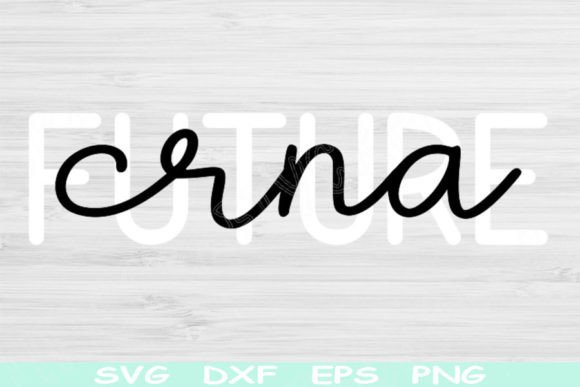
At first glance, the design has a bold, aspirational presence. The words “future CRNA” sit with a sense of forward motion, almost like a personal mantra. There’s no visual clutter, no unnecessary decorative flourishes that could muddy the stitch‑out. The typography is modern and legible, which immediately tells me this will translate well into a machine embroidery design when digitized properly. The mood it creates is one of pride and quiet determination — exactly what a nurse anesthetist student would want to wear or carry.
I pictured this design on a relaxed‑fit sweatshirt, the kind you reach for on early clinical mornings. The artwork’s shape is compact enough to fit comfortably on a chest‑left placement or even centered on the back of a hoodie. Because it’s primarily text‑based, the layout feels balanced and intentional, not like an afterthought. That kind of visual clarity is rare in the Graphics category, where many files lean too decorative or lose their focus when scaled down.
The Visual Personality of the Future CRNA Design
What stands out about this Future CRNA Svg, Nurse Anesthetist Svg is its restraint. It doesn’t scream for attention, yet it carries a quiet weight that feels personal and professional. The letterforms are sturdy without being chunky, and the spacing between characters suggests the designer understood that this would be read at a glance, not just admired on a screen. There’s no gradient, no shadow, no thin hairlines that would disappear under a needle — all practical choices that make me trust this file for embroidery.
When I opened the artwork in my digitizing software, I could immediately see the potential for a clean satin stitch on the lettering. The strokes are wide enough to hold a smooth glossy finish, and there’s no risk of tiny islands collapsing into one another. The mood is serious but warm, which makes it equally suitable for a graduation gift, a clinical tote bag, or a framed embroidered hoop for a nursery — because yes, future CRNAs sometimes celebrate with their little ones, too.
Real‑World Embroidery Application: From Screen to Stitch
No design exists in a vacuum. I always test how a file behaves when I imagine it stitched onto the fabrics we actually use in our craft business. For this review, I mentally walked through several embroidery project scenarios, focusing on common products that small shop owners and Etsy sellers rely on.
Apparel Projects: Sweatshirts and Tees
The first and most obvious use is a sweatshirt. A soft cotton‑blend crewneck with this design stitched in navy blue thread on a heather gray background would be a bestseller. I’d recommend a medium‑weight cutaway stabilizer to prevent shifting, especially since the text is horizontal and any distortion would be immediately noticeable. The stitch density needs to be balanced — too heavy and the fabric puckers, too light and the letters lose definition. From the artwork alone, I can see that a skilled digitizer can maintain that balance without forcing unnecessary fill stitches.
For a t‑shirt, the same design works well scaled slightly smaller. I’d be cautious about using a thin, stretchy jersey; a 100% cotton tee with a fusible mesh stabilizer will give the cleanest result. The thread colors you choose can completely shift the vibe — teal or mint green thread on a white tee evokes a medical scrubs feel, while metallic gold on black turns it into a gift for a hooding ceremony.
Tote Bags and Everyday Accessories
I often test a design’s versatility by mentally placing it on a canvas tote bag. The Future CRNA Svg, Nurse Anesthetist Svg truly shines here. A medium‑sized tote with the design centered prominently becomes a functional statement piece for clinical rotations. The fabric texture of canvas is forgiving, and the artwork’s open areas allow the natural weave to breathe, preventing that stiff, bulletproof patch feel. I’d use a fill stitch for any larger solid areas if the design were expanded, but for the standard text‑only version, a well‑digitized satin stitch with a slight underlay will sit beautifully on the surface.
I also considered a simple zipper pouch or a small makeup bag — the kind of personalized gift that friends and family love to give. The design scales down nicely, though I’d advise keeping the smallest lettering at least 0.25 inches tall to avoid thread breaks. This is where the readability of the original SVG really pays off.
Patches and Small Format Embroidery
Not every design can survive the transition to a patch, but this one can. An embroidered patch with a merrowed edge and the “future CRNA” text in a bold running stitch outline would be a hit at craft fairs. I’ve learned that patches need high contrast and a compact footprint, and this file delivers both. I’d test it on a 4x4 inch hoop, and if the text starts to feel tight, I’d separate the design into two lines or slightly increase the tracking. The trick is to digitize with a dense underlay and a slightly wider satin stitch to compensate for the patch’s rough‑and‑tumble life.
Navigating Fabric and Hoop Challenges
Every embroiderer knows that a design is only as good as the fabric it lands on. The Future CRNA Svg, Nurse Anesthetist Svg is forgiving in many ways, but there are a few situations where it needs extra care. On highly textured fabrics like a waffle weave towel or a chunky knit, the letters can lose their crisp edges. I’d either avoid those substrates or use a water‑soluble topping to flatten the surface before stitching. Dark fabrics are no problem as long as the thread color contrasts sharply — a white or light gray thread on black cotton is a classic, professional look.
Stretchy fabrics, like those used in performance wear or baby onesies, require a no‑show mesh stabilizer and possibly a baste‑in‑the‑hoop method to keep the design from warping. I’ve ruined too many baby embroidery projects by forgetting that tiny garments move around like crazy. For this design, I’d hoop the stabilizer alone, float the onesie on top, and pin it carefully. The result is a smooth, gift‑worthy finish that a new mom would adore.
When it comes to hoop size, the artwork’s proportions are manageable. I’d aim for a 5x7 inch hoop for a full chest placement, but a 4x4 inch hoop can handle a scaled‑down version for a sleeve or a hat. For caps, I’d be cautious — the curved surface can distort the horizontal text if the design isn’t adjusted. A slight arc to the lettering could help, but that would require modifying the original SVG, so I’d test first on a scrap cap.
Stitch‑Out Tips for a Professional Finish
Before you stitch this design onto a final product, do yourself a favor and run a test on a piece of medium‑weight cotton with the same stabilizer you plan to use. I always check two things: stitch density on the corners of the letters, and whether the thread tension pulls the fabric at all. A clean satin stitch should lay flat and slightly puffed, not sunken into the material. If the edges feel rough, you may need to adjust the pull compensation in your digitizing software.
I also recommend looking at the design in a black‑and‑white mockup. This strips away the color and reveals whether the shape holds up on its own. The Future CRNA Svg, Nurse Anesthetist Svg passes that test easily — the letterforms are distinct and the spacing remains balanced. That’s a huge plus for a digital embroidery file that will be used across different brands and product lines.
Thread color choice is another area where I see makers make avoidable mistakes. If you’re stitching on a light fabric, a dark navy or charcoal gray thread gives the design a crisp, professional look. On a darker ground, a soft cream or heather gray thread feels more thoughtful than a stark white. And if you’re creating a holiday embroidery gift, a subtle metallic thread can elevate the design without overwhelming it — just be prepared to slow your machine down and use a metallic needle.
Commercial Value for Craft Businesses and Etsy Sellers
From a business perspective, this design hits a niche that is active, proud, and full of gift‑giving occasions. Nurse anesthesia students, new graduates, and their families are constantly searching for meaningful personalized gifts. A custom apparel piece with this design can become a staple in a craft business lineup. I can easily imagine a tote bag design paired with a matching keychain patch, or a bundle of a sweatshirt and a baby onesie for a parent who is also pursuing their CRNA degree.
For Etsy sellers and small shop product creators, the key is to present the finished piece in a way that feels aspirational yet attainable. Use a printable mockup to show the design on a lifestyle photo — maybe a sweatshirt draped over a stethoscope, or a tote bag next to a coffee cup and a stack of nursing textbooks. The design assets you pair with the listing can make or break a sale. Since this is a Graphics file in the Crafts category, you’ll want to confirm the license terms before selling physical items. Many SVG files come with a personal‑use only restriction, so always check whether you need a commercial license to sell finished products. This isn’t a flaw of the design itself, just a practical step every responsible maker should take.
I’ve also seen a lot of success with commercial embroidery where this type of design is used for small‑batch orders — think a local scrub shop wanting to offer custom embroidery for their customers. The design’s simplicity lets it work across multiple colorways without losing its identity, and that’s pure gold for brand consistency.
Final Thoughts on Using This Design for Embroidery
After spending time with the Future CRNA Svg, Nurse Anesthetist Svg and imagining it through every stage of the embroidery process, I can say with confidence that it’s a strong candidate for a wide range of projects. It’s not a flashy, over‑designed file that will only work on a flat screen; it’s a practical, thoughtful piece of artwork that understands the demands of thread and fabric. The mood it creates — one of pride, ambition, and personal achievement — translates beautifully into a handmade product that feels both professional and intimate.
If you’re a maker who wants to add a meaningful, clean design to your embroidery lineup, take the time to test this file, play with thread colors, and consider the fabric you’ll use. Pay attention to the little things: the stabilizer, the hoop size, the contrast. When you get it right, the finished piece will not only look good — it will feel like a genuine celebration of a hard‑earned milestone. That’s the kind of finished product that keeps customers coming back and turns a simple embroidery file into a cherished keepsake.