Nurse Hat SVG, Medical Hat: An Embroidery Designer’s Practical Take
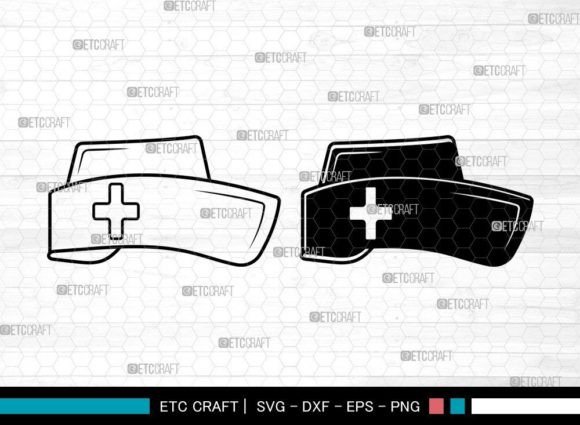
When I first opened the Nurse Hat SVG, Medical Hat file, I immediately saw a design that carries a quiet, professional warmth. It’s not a loud, cartoonish medical icon. The shape feels respectful, the lines are clean, and the overall mood is genuinely appreciative. For anyone who’s ever worked on a last-minute personalized gift for a nurse, you know exactly how important that balance is. The hat itself reads as classic, almost vintage-inspired, with a gentle cross detail that doesn’t feel forced. As an embroidery designer, I’m not just looking at a pretty vector—I’m mentally testing how each curve will translate into thread, how the small elements will behave under needle and stabilizer, and whether the final stitched piece will make a customer feel proud to gift it.
My first real-world thought was a custom tote bag for a nurse friend’s birthday. I pictured the hat centered on a natural canvas tote, digitized as a clean satin stitch outline with a subtle fill stitch interior. That’s where the Nurse Hat SVG, Medical Hat started to shine in my mind. The design is direct enough to digitize without endless node editing, yet detailed enough to feel intentional. I’ve seen plenty of medical-themed clip art that falls apart when shrunk or when you try to turn it into something wearable. This one, however, has a strong silhouette and a scale-friendly composition. The cross detail is small but not microscopic, the brim is well-defined, and the hat’s crown has just enough curve to look anatomical without becoming a stitching nightmare.
First Impressions: A Shape That Respects the Craft
The visual personality of the Nurse Hat SVG, Medical Hat is what I’d call “quietly classic.” It doesn’t rely on cheesy stethoscope loops or overused sparkles. Instead, it leans into the simple, recognizable shape of a traditional nurse’s cap. This matters immensely in embroidery because simplified, well-proportioned linework almost always digitizes more cleanly. The design feels like something you’d actually see in a boutique window, not just a bulk craft supply. I could easily imagine it on a personalized apron for a nursing student, a baby onesie for a new parent working in healthcare, or even a set of matching tea towels for a retirement party. The mood is grateful, dignified, and slightly nostalgic—exactly the kind of emotion that sells well in handmade marketplaces.
Translating a Cutting File into Embroidery
I need to be straightforward here: the Nurse Hat SVG, Medical Hat comes as a graphic file, not a stitch file. The product description clearly states you’ll receive SVG, DXF, EPS, and PNG formats, which are perfect for cutting machines like Silhouette, Cricut, or Brother Scan and Cut. For an embroidery project, you’ll need to digitize this design yourself or hire a digitizer. This isn’t a drawback—it’s an opportunity. A clean vector like this gives you full control over stitch types, density, and sequencing. I’ve worked with far messier source files, and this one is refreshingly crisp. I opened the SVG in my digitizing software and found the linework well-organized, with no unnecessary nodes or jagged edges. That saves real time and reduces the frustration of fixing wonky curves before you even test a stitch-out.
What I Noticed During Digitizing Prep
- The cross detail is thin but not hairline; it works well as a satin stitch with a narrow column, provided you use a sharp needle and proper underlay.
- The hat brim curve is smooth, so you can digitize a continuous outline without awkward jump stitches.
- The overall silhouette is compact, making it friendly for small to medium hoop sizes—a major plus for baby apparel, caps, and patches.
- The design is monochromatic in its original form, which means you can easily adapt thread colors to match a scrub top, hospital logo, or a specific fabric palette.
Where This Design Feels Most at Home
After running a few mental stitch-outs, I’m confident the Nurse Hat SVG, Medical Hat would thrive on a range of products. Custom apparel is the obvious starting point. A relaxed sweatshirt with the hat embroidered on the left chest—small, tasteful, and personal—would sell well to nurse practitioners or family members wanting a meaningful gift. Tote bags are another natural fit; the design’s clean lines hold up beautifully on medium-weight canvas, and the satin stitch border pops without overwhelming the fabric. I’ve also seen a growing demand for embroidered baby items that celebrate a parent’s profession, and this hat, sized down to about 2 inches, would look adorable on a soft cotton onesie or a lightweight blanket. For someone running a craft business, this design could easily become a staple “thank you” gift for medical staff appreciation events, especially during holidays or Nurses Week.
Other practical applications include:
- Embroidered patches for scrub jackets or lab coats
- Pillow covers for a nurse’s break room or a cozy home decor accent
- Kitchen towels for a healthcare-themed housewarming gift
- Personalized aprons for a nurse who loves to bake
- Small framed embroidery hoop art for a desk or clinic shelf
- Holiday ornaments—digitize on felt and add a ribbon hanger
Real-World Embroidery Performance: What to Expect
I always test designs on scrap fabric before committing to a final product, and I’d recommend the same cautious approach here. The Nurse Hat SVG, Medical Hat digitizes well, but the devil is in the details. On a smooth cotton twill or a stable medium-weight woven, satin stitch outlines come out crisp and the fill stitch interior remains flat. On a knit fabric like a sweatshirt, you’ll want to use a cutaway stabilizer and potentially a water-soluble topper to prevent the stitches from sinking. The cross detail, while charming, is the most delicate feature. If you’re embroidering on a textured fabric like terry cloth or a loosely woven linen, that tiny cross might lose definition. I’d test it on a dark fabric too, because a dark background can make thin satin stitches look thinner if the thread color doesn’t contrast enough.
Curved surfaces like caps require a bit more thought. The hat’s relatively tall and narrow shape means you’ll need to center it carefully on a cap’s front panel, and you might need to adjust the design’s vertical placement to avoid the curved seam. A 4x4 hoop is likely sufficient for most applications, but always measure your hooping area and leave enough margin for the hoop’s grip. I’ve learned the hard way that a design that looks perfectly centered on screen can still end up crooked on a structured cap if you don’t baste it in place.
Impact on Product Value and Customer Perception
Let’s talk about the business side. A finished product using this design carries a certain emotional weight. A nurse-themed item isn’t just a cute accessory; it’s often a deeply personal gift. When the stitching is clean, the thread colors are thoughtfully chosen, and the design sits neatly on the fabric, customers perceive the item as premium. That perception directly affects how much they’re willing to pay and how likely they are to recommend your shop. I’ve seen poorly digitized medical designs that look like a blob of thread from six inches away. The Nurse Hat SVG, Medical Hat avoids that because its source art is inherently simple and elegant. Even a moderately experienced digitizer can produce a polished result that enhances the handmade presentation and builds brand consistency.
If you’re selling on Etsy or at a craft fair, this design can help you carve out a niche. Nursing-themed embroidery is a steady category, but it’s often saturated with generic clip art. A well-executed, classic hat design stands out because it feels more professional and less like a craft store impulse buy. I’d also recommend creating a black-and-white mockup of the stitched design to use in your product listings. The clean lines of this hat SVG make it easy to produce a realistic preview, which can boost buyer confidence and engagement.
When to Use Caution and What to Test First
Not every fabric and project will be a perfect match. I’d be particularly careful with:
- Very small hoop sizes: If you shrink the design below 1.5 inches, the cross detail may become too dense or distorted.
- Stretchy knits: Without proper stabilizer, the satin stitch outlines can buckle. Always hoop with a medium-weight cutaway and avoid over-stretching the fabric.
- Thin or sheer fabrics: The fill stitch might show through on the back, so consider a lighter stitch density or an applique approach.
- Items that get frequent washing: The design’s small cross could be vulnerable to fraying if not stitched with adequate underlay. A short stitch length and a slight overlap of satin stitches can help durability.
- Layered garments: If you’re embroidering on a jacket with a lining, make sure your hoop can access the outer layer without catching the inner fabric.
Practical Designer Notes for Your Embroidery Projects
I always keep a running mental checklist when I’m about to use a new digital design in an embroidery project. Here’s what I’d suggest for the Nurse Hat SVG, Medical Hat:
- Test on scrap fabric first. Use a similar weight and weave to your final product. Check for thread breaks, puckering, and clarity of the cross detail.
- Review thread color contrast. A classic white hat on a navy background looks timeless, but a soft teal on a cream tote could feel more modern. Test a few swatches before committing.
- Confirm hoop size. This design is likely to fit a 4x4 hoop, but if you’re using a larger version, measure your digitized file’s dimensions carefully.
- Inspect the cross detail at actual size. Print a paper template and place it on your fabric to see if the small elements remain visible and aren’t too crowded.
- Check black-and-white mockups. A quick printout can reveal if the design becomes unrecognizable without color, which is important for some buyers.
- Use proper stabilizer. A cutaway for knits, a tear-away for wovens, and a topper for textured fabrics will save you from frustrating results.
- Verify licensing. The product is listed in the Crafts category under Graphics, but you should confirm whether the seller allows commercial use of finished physical products. Don’t assume—always check the license terms before selling items with this design.
A Real-Life Scenario: The Nurse’s Tote Bag
Let me walk you through a project I actually have in mind. I’m preparing a set of personalized tote bags for a local hospital’s nursing team. I’ll digitize the Nurse Hat SVG, Medical Hat as a crisp satin stitch outline, with a light fill in the hat’s crown using a soft cream thread. The tote itself is a medium-weight natural canvas—stable, easy to hoop, and a forgiving surface for embroidery. I’ll add each nurse’s name in a subtle running stitch below the hat, using a thread color that matches the cross detail. I’ll test the design on a scrap of the same canvas first, adjusting stitch density if the fabric shows any pulling. The result will be a professional, heartfelt gift that doesn’t look like a mass-produced item. I can easily imagine the reactions when they receive a bag that feels both personal and dignified.
Final Thoughts from a Craft Business Perspective
For small business owners, the Nurse Hat SVG, Medical Hat offers a versatile foundation. It’s not a finished embroidery file, but a well-structured graphic that can be digitized for a variety of embroidery projects. The design’s clean, classic look lends itself to custom apparel, accessories, and home decor that customers will cherish. By taking the time to test stitch, choose the right stabilizer, and present the finished product beautifully, you can turn a simple vector into a high-value item. I’ve reviewed countless medical-themed designs, and this one stands out for its simplicity, respectfulness, and adaptability to real embroidery work. Whether you’re a seasoned digitizer or a hobbyist who collaborates with a digitizing service, you’ll find it a reliable starting point for meaningful, professional-looking creations.