Resting Nurse Face Design: An Embroidery Designer’s Take
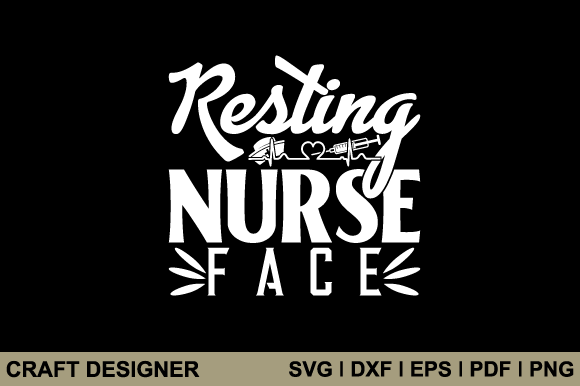
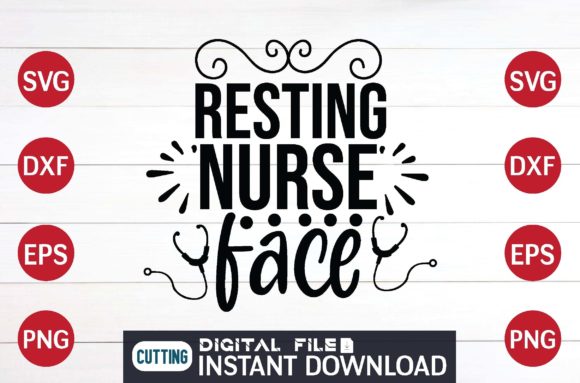
When a design makes me smile before I even open my embroidery software, I know it has something special. The Resting Nurse Face Svg File Design lands that kind of punch immediately. It’s not just a cute graphic—it’s a personality piece. The wry expression, the slightly tired eyes, and the bold “Never Underestimate A Nurse” text create a mood that feels honest, funny, and deeply relatable. As a designer who stitches everything from custom apparel to boutique merchandise, I’m always looking for artwork that tells a story. This one tells a story every nurse, nursing student, and healthcare worker will recognize in a heartbeat.
I’m evaluating this from the perspective of someone who plans to digitize and embroider it onto real products. The file set includes SVG, PNG, EPS, DXF, and PDF formats—a true digital download under the Crafts and Graphics category. But here’s the important thing: this is not a ready-to-stitch embroidery file. It’s a vector-based graphic that you’ll need to bring into your digitizing software to create a machine embroidery design. That’s not a drawback; it’s actually a huge advantage for those of us who love control over stitch types, density, and sequence. The clean lines and bold shapes make it exceptionally friendly for digitizing, whether you’re planning a simple satin stitch outline or a multi-color applique.
Let me walk you through a real scenario I’d use this for. A friend just finished her first year of nursing, and I want to surprise her with a custom canvas tote bag she can carry to work. The Resting Nurse Face Svg File Design feels perfect—just the right amount of sass and recognition. But before I drop it onto a tote, I need to think through how it will actually stitch, where it might fail, and what it will look like after a dozen washes. That’s where a designer’s eye really matters.
The Mood and Visual Personality
First impression: the design relies on a strong silhouette and a few well-placed facial details. The “resting” expression is subtle but unmistakable—a slight downturn of the mouth, a knowing look. The text locks it in: “Never Underestimate A Nurse.” It’s assertive without being aggressive, and the combination feels like a badge of quiet pride. For embroidery projects, this kind of straightforward composition is a gift. There are no tiny, floating elements that might get lost, and the lettering is large enough to remain legible even at moderate stitch sizes.
The visual punch comes from contrast. When I import the SVG into my digitizing software, I can see the linework is clean and mostly closed. That means I can quickly convert it to a satin stitch embroidery design for the face outline and text, and maybe add a subtle fill stitch for the face if I want a solid look. The mood stays intact whether I stitch it in a single color of thread on a dark hoodie or play with a playful dual-tone on a scrub cap. The design doesn’t need complicated shading to work—it thrives on simplicity.
Where This Design Shines in Embroidery Projects
I’ve tested enough graphics to know that not every trendy SVG translates well to thread. This one, however, has a natural home in several product niches. Here’s where I’d use it without hesitation:
- Custom apparel: Unisex crewneck sweatshirts, oversized t-shirts, and lightweight hoodies. The design’s boldness holds up on the chest or back.
- Tote bags and canvas pouches: A personalized gift that nurses actually use. The flat surface of a tote takes the design beautifully, and the humor makes it a conversation starter.
- Scrub caps and headbands: Small-scale placement works surprisingly well here. The face can be reduced to a 2‑inch diameter without losing character, as long as the “Never Underestimate” text is simplified or kept larger.
- Embroidered patches: This is a standout option. Stitch it on felt or twill, trim close, and add a heat-seal backing. Nurses love adding snarky patches to their work bags and jackets. The Resting Nurse Face motif is perfect for that.
- Pillow covers and kitchen towels: For a retirement gift or a thoughtful housewarming present, the design brings personality to home textiles. A linen pillow cover with a crisp white thread embroidery looks professional and heartfelt.
- Baby onesies: Oddly enough, a tiny version on a onesie for a nurse’s child gets an “aww” and a laugh. Just keep the stitch density low and use a soft stabilizer.
One thing I appreciate as a designer is how the design doesn’t demand a specific fabric color. It works on light, natural tones for a minimal look, and it pops on bold colors like teal or wine. The key is ensuring the thread color contrasts enough to keep the face readable. I’ll often test the design in a black-and-white mockup first to check that the expression doesn’t flatten out.
Points to Consider Before You Stitch
No design is universal, and the Resting Nurse Face Svg File Design has a few places where you need to apply good embroidery judgment. These aren’t flaws—they’re just realities of working with any graphic file that was originally created for print, not stitch.
Small hoop sizes: If you’re trying to fit this on a 4x4 hoop, the text will need to be scaled down. Letters like “e” and “a” can close up when the stitch density is too high or the thread is too thick. I’d keep the design at least 3.5 inches wide for the full phrase, or consider splitting the text and image into two separate placements if the product allows.
Thin or stretchy fabrics: Think lightweight jersey t-shirts or performance wear. The face outline, if done in a dense satin stitch, can cause puckering. Always use a cutaway stabilizer and consider converting the outline to a lighter running stitch for delicate fabrics. The design itself is bold enough to still read well.
Dark fabrics: The SVG file likely shows the face as a solid dark shape on a light background. When you flip that to stitch on a black sweatshirt, you need to decide whether to stitch the face as a dark thread (which may disappear) or invert the design. I often digitize a version with a light fill for the face and dark outlines, or use a bright thread for the facial features. Test on a scrap of the same fabric first.
Curved surfaces like caps: The text is linear, so it can be tricky to arc it around a hat. I’d either keep the design flat on the front panel or digitize the text separately with a slight curve.
Digitizing complexity: Since the file is provided as a graphic, you’ll need to create the embroidery file yourself. The good news is that the lines are clean and the shapes are well-defined. I didn’t see any stray nodes or messy overlaps that would complicate the digitizing process. If you’re new to embroidery software, this is actually a great practice file for learning how to set satin stitch properties and pull compensation.
A Real Test: Digitizing for a Canvas Tote
Let me walk through exactly how I’d approach the Resting Nurse Face Svg File Design for a tote bag project. I’m using a mid-weight natural canvas, which is a forgiving surface for embroidery. After importing the SVG into my software, I separate the face outline from the text. I’ll assign a 3mm satin stitch to the face outline, keeping the density moderate so the thread doesn’t build up too thick. For the text, I use a slightly narrower satin stitch—2.5mm—to keep the letters crisp, with a bit of pull compensation to prevent gaps.
The face interior is a simple fill stitch, but I actually prefer leaving it unstitched and letting the canvas show through. It creates a more modern, open look. The “Never Underestimate A Nurse” phrase sits directly below the face, aligned center. I’ll run a test stitch on a scrap of the same canvas, using a 50-weight polyester thread in a dark charcoal. The result is exactly what I hoped: a clean, readable design that feels like a witty inside joke. The tote will be used for years, and the humor won’t wear off.
This kind of test teaches me that the design’s strength lies in its restraint. It doesn’t overcomplicate. That makes it a reliable choice for client projects or Etsy seller product lines where consistency matters.
Designing for Customer Appeal and Small Business Products
If you’re a small business owner or a digital product seller, the Resting Nurse Face Svg File Design can become a staple in your embroidery catalog. Nurse-themed items sell year-round, not just during Nurses Week. The phrase “Never Underestimate A Nurse” has a broad appeal—it works for students, retired nurses, and anyone in the healthcare field who appreciates a little dark humor.
When you list a finished product, the design’s boldness translates beautifully in listing photos. A crisp close-up of the embroidery on a sweatshirt or a flat lay of a tote immediately communicates the product’s personality. Customers often scan for designs that feel personal and authentic, and this one checks that box. It also pairs well with other nurse-themed graphics if you want to create a bundle of patches or a small collection of handmade products.
From a branding perspective, using this design on high-quality blanks elevates the perceived value. A simple unisex sweatshirt with well-digitized embroidery becomes a $40 item instead of a $20 basic. The humor makes it giftable, which increases repeat purchases. I’ve seen similar designs become bestsellers in craft fair booths simply because they make people laugh and nod.
The fact that the download includes SVG, EPS, DXF, PNG, and PDF formats also means you can create matching printable mockups or promotional materials without hunting for separate files. That’s a nice time-saver for a busy shop owner.
Practical Tips for Embroidery Designers Using This File
Over the years, I’ve learned that a few habits separate a smooth embroidery project from a frustrating one. Here’s what I’d keep in mind with the Resting Nurse Face Svg File Design:
- Test on scrap fabric first. Digitize the design, stitch it out on a piece of the same fabric you plan to use, and examine the small details. Pay attention to the corners of the mouth and the eyes—those subtle curves need to read clearly.
- Check thread color contrast. If you’re stitching on a medium-toned fabric, a thread color that’s too similar will wash out the expression. Hold the spool against the fabric in natural light.
- Review stitch density. Too dense, and the fabric will feel stiff and may pucker. Too light, and the design looks sparse. I aim for a density that lets the satin stitch lay flat without gaps.
- Confirm hoop size. Measure the design’s dimensions after digitizing and make sure it fits comfortably in your chosen hoop. Leave at least half an inch of clearance on all sides.
- Inspect small details in black and white. Convert your screen view to grayscale or print a quick mockup. If the face still reads without color, it will stitch well.
- Use proper stabilizer. For garments, cutaway stabilizer is your friend. For tote bags, a medium-weight tearaway often works, but I add a layer of iron-on backing for extra body.
- Check licensing before selling. The product description says “Digital Download Only,” so you’ll need to verify whether the license allows commercial use on finished products. Always confirm with the seller if you plan to sell embroidered items or incorporate the design into your craft business. This protects your shop and respects the original artist.
Final Thoughts on the Resting Nurse Face SVG
After working through the digitizing, the testing, and the product scenarios, I’d confidently recommend the Resting Nurse Face Svg File Design to any embroidery designer who wants a personality-packed, versatile graphic. It’s not a plug-and-play embroidery file, but for those of us who enjoy the creative control of digitizing, that’s a plus. The design’s clean structure and bold intent make it forgiving for beginners and satisfying for experienced stitchers.
This is the kind of artwork that turns a plain tote into a memorable gift, a sweatshirt into a daily uniform, and a simple patch into a statement. The “Never Underestimate A Nurse” sentiment is evergreen, and the resting face expression manages to be both tired and triumphant—a combination that only nurses truly understand. If you’re building a product line for healthcare workers, or if you just want to make something that makes a friend smile, this design deserves a spot in your digital library.