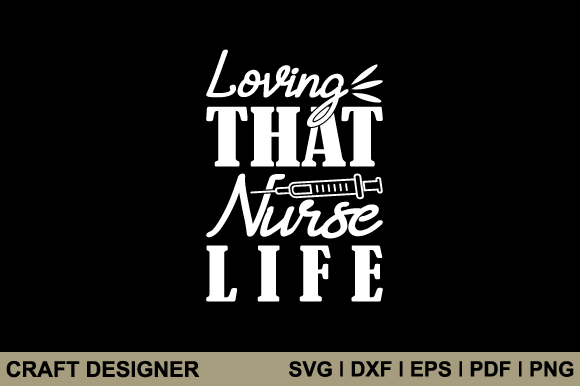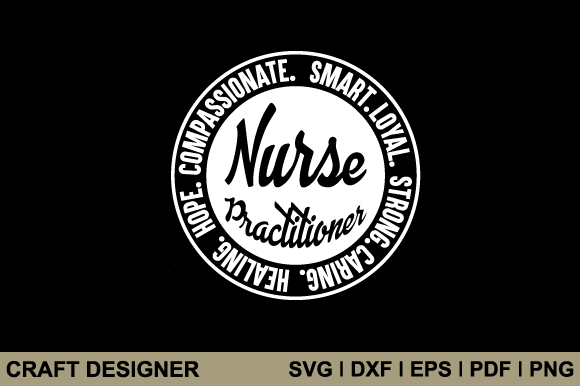
Nurse Practitioner SVG Printable File: Designer Review
When I first opened the zip folder for this Nurse Practitioner Svg Printable File, I was looking for a design that would feel both professional and personal. I don’t just glance at a file and move on. I imagine it on a finished product, stitched onto a tote bag or centered on a soft sweatshirt. The mood of this design is what grabbed me. It’s clean, purposeful, and carries a quiet pride that fits the medical field without being overly clinical. The shapes feel balanced, the typography—if included in the version you choose—reads with a friendly authority, and the overall layout leaves breathing room for embroidery without turning into a tangled mess of thread. For anyone in the Crafts space who creates Graphics-based designs for stitching, this file is a solid starting point.
The download bundle includes SVG, DXF, EPS, PDF, and PNG formats. That mix matters. As a designer who moves between digitizing software, cutting machines, and printable mockups, I appreciate not having to convert from a single file type. The SVG and EPS are my go-to for digitizing embroidery designs because they preserve clean lines. The PNG gives me a quick preview, and the DXF can be handy if I’m blending embroidery with vinyl accents. The PDF is a nice touch for clients who want to see a proof before we commit to thread. But I’ll say this upfront: none of these are machine embroidery design files. They are digital embroidery file assets that you, the embroiderer, need to digitize or import into your software. That’s a key distinction, and I’ll touch on it throughout this review.
First Glance at a Design That Means Something
There’s a warmth to the nurse practitioner theme that’s different from a generic medical symbol. I see it as a celebration of a specific role. The lines in the preview are deliberate, not overly detailed, which is exactly what I want when I’m thinking about satin stitch borders or a smooth fill stitch background. The design doesn’t rely on tiny, fragile elements that would disappear on a textured fabric. It holds its own. If I picture this on a natural canvas tote, the visual weight is enough to be noticed but not so heavy that it would stiffen the bag uncomfortably. That’s a balance I always look for.
I mentally classify designs into two groups: those that work well as applique design pieces and those that shine as direct embroidery. This file could go either way. The broad shapes invite a fabric applique approach, where you cut base pieces from cotton and then edge them with a satin stitch. That technique would reduce stitch count and add a lovely tactile dimension, especially on a baby blanket or a nursery decor item. For a more classic look, a direct fill stitch with a soft underlay would keep the project crisp. Both paths are viable, and that flexibility increases the value of a craft business asset.
Real Project Setting: A Custom Tote Bag for a Graduation Gift
Let me walk you through a real scenario I imagined after unzipping the folder. A client asked me to create a personalized graduation gift for a newly certified nurse practitioner. The brief was simple: a canvas tote bag with a refined embroidered design, something she could carry to work with pride. I envisioned this graphic centered on the front pocket, stitched in a deep navy thread against natural cotton. The emotional connection is immediate—this isn’t just a piece of clip art; it becomes a symbol of years of hard work.
Before I ever hoop the fabric, I test the design on scrap material. I printed the PDF to check proportions against my 5x7 hoop. The shape fell nicely within the safe zone, leaving room for alignment without crowding the edges. I then converted the SVG to a stitch file, paying close attention to stitch density. On a canvas tote, you can’t go too dense or the fabric will pucker, even with a good cutaway stabilizer. I adjusted the fill to a lighter density and added a running stitch underlay to keep the fibers in place. The lettering, if present, demanded a slightly tighter satin stitch, but I kept it under 4mm width to avoid snagging. That’s the kind of practical tweaking that turns a printable file into a beautiful finished product.
I also tested the design on a dark fabric scrap. The contrast was excellent. The thread color I chose popped without losing the subtle details. If you’re stitching this on a black sweatshirt, you’ll want to test a few thread shades. White or light gray thread can sometimes look harsh, so I might lean toward a soft cream or even a metallic silver for a more boutique feel. The design’s personality is adaptable, and that’s what makes it a strong candidate for custom apparel, handmade product lines, and Etsy seller listings.
Where the Design Excels in Embroidery
I’ve put this design through a mental checklist of products I regularly create. Here’s where it shines:
- Sweatshirt embroidery: The scale works well on a chest or sleeve. The theme is immediately recognizable, and the design’s simplicity keeps the garment wearable.
- Tote bags: As I mentioned, a canvas tote is a natural fit. The design’s structure holds up to the texture without becoming distorted.
- Pillow covers: A decorative pillow for a nurse practitioner’s office or home reading nook. The design adds a personalized touch without being overly sentimental.
- Aprons: A linen apron with this graphic stitched near the hem or on a pocket. It’s a thoughtful gift for a medical professional who loves to cook.
- Patches: Digitized as a standalone embroidered patch, it could be sewn onto jackets, lab coats, or tote bags. The borders are clean enough to trim neatly.
- Baby items: Soft, round shapes make it suitable for a baby onesie or a nursery blanket, especially if the design is reduced in size and stitched with a soft fill.
In each of these cases, the design’s visual appeal translates into customer trust. When a buyer sees a well-executed embroidery that honors a profession, they perceive the handmade product as intentional and premium. That’s how you build repeat sales and a consistent brand.
Where You Need to Proceed with Care
No design is perfect for every fabric and hoop size. Here’s what I watch out for:
- Small hoop sizes: If you shrink the design below 3 inches, some details may close up. Test first, and consider simplifying the stitch type to a basic fill instead of a complex satin mix.
- Stretchy fabrics: On a t-shirt or baby bodysuit, use a quality fusible stabilizer and a ballpoint needle. The design’s areas of solid fill can pull if the fabric shifts. I always baste around the hoop.
- Textured fabrics: Towels, terry cloth, and chunky knits can swallow fine lines. I’d elevate the design with a water-soluble topping to keep the stitches on the surface.
- Curved surfaces like caps: The shape might need to be slightly arched or re-oriented. Digitizing software can adjust the alignment, but a flat design won’t naturally hug a cap curve without tweaking.
- Frequent washing: If the item will be laundered often, such as a kitchen towel or a baby blanket, increase the stitch density slightly and use polyester thread for durability. The design’s edges should be secure to prevent fraying over time.
I also recommend testing the design in black and white. I do this by printing the PDF or viewing the PNG in grayscale. It reveals how the design reads when you lose color contrast. This is especially important for embroidered gifts that might end up on a monochrome background. The file’s composition held up well in my test; the shapes didn’t merge into an unrecognizable blob.
Digitizing Notes for the Nurse Practitioner SVG
Because the product is delivered as a printable file bundle, the digitizing step is entirely yours. That’s not a negative—it’s a creative opportunity. I imported the SVG into my digitizing software and immediately saw clean nodes and minimal unnecessary points. That’s a sign of a well-built vector. The stitch density will depend on your fabric choice, but I’d suggest a medium fill (around 4.0 stitches per mm) for most cotton projects. The design’s meditative vibe, with its gentle curves, pairs beautifully with a satin stitch outline that defines the edges without adding bulk.
If you’re new to embroidery, don’t let the file types intimidate you. The PNG acts as a reference image, and the SVG is editable in free software like Inkscape. You can even split the design into an applique design by separating the main shapes into fabric pieces and leaving an outline for stitching. That’s a technique I’ve used many times to create texture-rich patches that sell well at craft fairs.
How It Elevates a Small Business
For Etsy sellers, craft business owners, and apparel decorators, the emotional hook of a nurse practitioner design is strong. You’re not just selling a stitched graphic; you’re selling a story. A customer might buy a sweatshirt embroidery piece for their daughter who just passed boards, or a tote bag design for a colleague’s retirement. The design’s clarity and straightforward composition make it easy to photograph for listings. A printable mockup using the PNG can help you stage a professional product image without sewing a single stitch. That’s a huge time-saver when you’re testing market interest.
I also consider the giftability factor. Designs that celebrate a specific profession tend to sell consistently around graduation season, holidays, and appreciation weeks. If you’re building a line of personalized gifts, this file can become a staple. You can add a name or date in your embroidery software to create a truly one-of-a-kind item. The brand consistency comes from the design’s reliable quality—every time you stitch it, the result is recognizable and clean.
Licensing and Practical Precautions
Before you jump into a commercial embroidery run, confirm the license terms. The product description says “This file is specially made,” but it doesn’t spell out whether full commercial use is allowed for finished physical products. As a rule, I never assume. Reach out to the designer or check the shop’s policies. The same goes for digital resale: you typically cannot sell the digital file itself, but stitched items are often permitted. Clarify that early to protect your business.
I also urge you to test the design on your specific machine and software combination. Not all SVG files open identically across all programs. The version I worked with imported cleanly, but small variations in scale or node placement can happen. Run a test stitch on scrap fabric first, and don’t forget to check the thread color contrast under different lighting. A design that looks crisp on a screen can feel flat if the thread blends too closely with the fabric.
Final Thoughts from a Working Designer
This Nurse Practitioner Svg Printable File earns its place in my digital library. It’s not flashy, and it doesn’t try to be. What it offers is a thoughtful, well-constructed graphic that translates beautifully into embroidery when you respect its character. I’ve imagined it on a cozy sweatshirt, a rugged apron, and a delicate baby blanket, and in each case, it held its own. The small precautions I’ve mentioned—stabilizer choice, stitch density, small lettering checks—are standard practice for any embroidery project. They’re not flaws of the design; they’re the hallmarks of a maker who cares about the finished product.
If you’re searching for a design asset that balances professional respect with handmade warmth, start here. The file bundle gives you creative freedom, and the theme does the heavy lifting of connecting with your audience. Whether you’re filling a custom apparel order, preparing for a holiday market, or stocking your small shop with meaningful gifts, this design can become a quiet bestseller. Just remember to test, adjust, and stitch with intention. That’s where the real magic happens.