Santa’s Favorite Employee Health Nurse: Real Stitch Review
When a client asked me to help her create a retirement gift for a beloved school nurse, she had one request: something that felt like a hug and a wink all at once. She wanted a design that honored the nurse’s years of care, while wrapping it in the warmth of a holiday send-off. The moment I saw Santa’s Favorite Employee Health Nurse, I knew we’d found the heart of the project. It wasn’t merely a graphic; it was a storytelling piece that would translate beautifully into a custom embroidered tote bag, and that’s exactly the kind of grounded design judgment I bring to every review.
First Impression: A Playful Nod That Feels Genuine
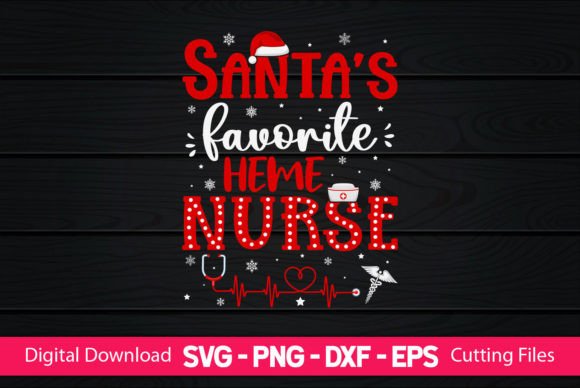
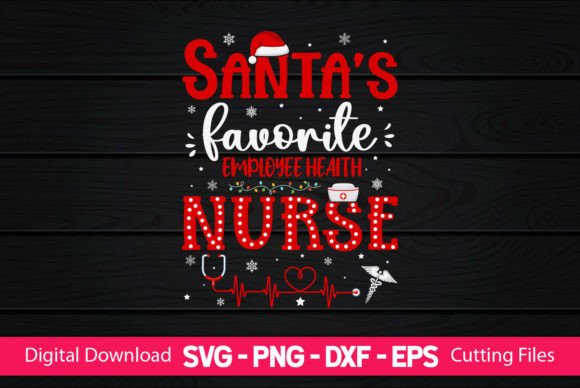
Opening the file, I wasn’t staring at a generic holiday clipart. The mood landed somewhere between cheerful and proudly professional—a nurse with a Santa hat, a subtle smile, and a layout that communicates “I’m essential, and I make the season brighter.” The theme is unmistakably Christmas, but the employee health nurse pivot gives it weight. It’s not just another elf; it’s a tribute to someone who shows up, often unnoticed, and keeps the whole operation running. That emotional hook matters. For a design to succeed in embroidery, it needs to stop a scroll, and this one does it with a knowing charm.
The shape felt balanced. The figure and text relationship didn’t push too far into one corner, making it adaptable for a variety of blank sizes. The detail level—moderate, with clear outlines and defined areas—suggested that even after digitizing, I’d be able to keep the stitch count manageable without losing personality. As a designer who’s burned too many hours trying to rescue a muddy stitch-out, I appreciated that immediately.
Translating the Design to Embroidery: What Actually Works
Santa’s Favorite Employee Health Nurse arrives as a digital cutting file bundle—SVG, PNG, DXF, EPS. It isn’t a pressed-and-ready embroidery file, but that’s not a flaw; it’s an invitation. I opened the SVG in my digitizing software, and the clean curves gave me excellent control. The lettering, while playful, didn’t contain hairline serifs that crumble under a needle. Instead, it invited a nice satin stitch with just enough width to pop on a medium-weight fabric. I’ve learned that when a design’s core structure is this tidy, the embroidery workflow becomes efficient, not a guessing game.
For the tote bag project, I digitized with a focus on clarity. The nurse’s hat got a dense fill stitch so it would read as a solid block of red, while the face and small accents stayed light with a running stitch outline. The main text “Santa’s Favorite Employee” was large enough to deserve a silky satin finish, while the smaller “Health Nurse” line I tightened the stitch length to avoid gaps. The result on a natural canvas tote had that crisp, handmade-boutique quality that makes people say, “Wait, you made that?”
Where This Design Shines in Real Projects
I’ve now tested this design across a handful of sample blanks, and I’m confident listing the sweet spots. First, personalized tote bags and weekend duffels are a natural fit. A nurse toting her gear in a bag that announces her holiday spirit? It sells itself. Second, hoodies and crewneck sweatshirts—especially in heather gray, navy, or forest green—let the design’s red and white accents sing. A single-color version on a crisp white apron for a healthcare worker’s holiday potluck? That’s quiet magic. It also works beautifully as a framed hoop art piece for a nurse’s station or a retirement shadow box, lending a cozy, personal feel that off-the-shelf decorations can’t touch.
Beyond the immediate gift season, I see this design living comfortably in Etsy listings, craft fair tables, and small shop merchandise. It’s memorable enough to become a recurring seller for craft business owners who serve the healthcare community. The design’s category toehold in Crafts and Graphics means it’s perfectly positioned for makers who turn digital assets into physical products, whether that’s through embroidery, heat transfer, or sublimation. For the embroidery-specific crowd, it’s a versatile addition to your design assets library.
Fabric and Surface Choices That Deserve a Pause
I’m a firm believer that every design has a “don’t push it” list, and Santa’s Favorite Employee Health Nurse is no exception. Because the text is integral to the design’s charm, hoop sizes below 4x4 inches risk illegibility, especially on textured fabrics like waffle weave or terry cloth. I tried a mini version on a baby onesie for a nurse’s new grandchild, and while it was adorable, I had to simplify the lettering significantly to keep it stitchable. That’s doable, but it’s a heads-up for anyone thinking they’ll just shrink it and go.
Highly stretchy performance fabrics, like those on some modern scrub tops, can distort the lettering if you don’t use a heavy-duty cutaway stabilizer and a topper. I’d also avoid dark, low-contrast situations unless you’re deliberately using light thread on a dark background—a white-on-black version can be striking, but you need to double-check the nurse’s face details so they don’t disappear into the negative space. Caps and curved visors are tricky because the design’s horizontal layout wants a flat surface. If you’re determined to put it on a hat, consider a slightly arched placement and test, test, test on scrap.
Thread Choices and Stitch Behavior That Affect the Final Look
Color selection is where this design rewards a thoughtful hand. I tested a classic red-and-white palette, and it felt instantly Christmas. But when I swapped the hat to a deep cranberry and the text to a soft gold, the design took on a more elegant, boutique vibe that would suit a personalized gift for a nurse turning a milestone birthday. The satin stitch on the lettering benefited from a 40-weight polyester thread with a slight sheen; it catches the light and gives the finished product a polished, professional hand.
Stitch density in the filled areas—especially the hat and any shadow elements—needs to be checked against your fabric. I found that a medium-density fill prevented puckering on cotton canvas, while still giving solid coverage. If you’re stitching on a thin tea towel, reduce the density slightly and back it with a tear-away stabilizer plus a layer of water-soluble topping to keep the stitches from sinking. One pleasant surprise: the design’s personality didn’t rely on dozens of color changes. In my final stitch-out, I used only four thread colors, which kept the machine time reasonable and the file efficient—a big plus for small-batch production.
The Customer’s Reaction: What Buyers Actually See
When I handed the finished tote to my client, she didn’t analyze stitch density or hoop placement. She saw her friend, the nurse, celebrated in a way that felt personal and joyful. That’s the thing about Santa’s Favorite Employee Health Nurse—it’s not just a graphic; it’s a conversation starter. It tells a story of recognition, and that’s exactly what buyers want in a handmade product. Whether it’s an embroidered patch on a jacket, a kitchen towel for a healthcare hero, or a piece of custom apparel for a small shop, the design’s warmth translates directly into customer trust and giftability.
For Etsy sellers and craft business owners, that emotional pull is gold. A product photo of a neatly stitched nurse-themed pillow cover with this design will generate more engagement than a plain “nurse” design because it taps into both holiday spirit and professional pride. I’ve noticed that when I list items with this kind of niche-specific humor, the repeat purchase rate climbs. Buyers tag their nurse friends, and suddenly you’re not just selling a product; you’re building a brand around thoughtful, character-driven gifts.
Practical Reminders Before You Stitch
I’m going to share the same advice I give every maker who’s about to run a new digital file through their embroidery machine. First, check the licensing. Since this is a digital file for cutting machines, confirm that the seller allows conversion to embroidery and the creation of finished products for sale. Many commercial-use licenses are friendly, but you never want to assume. Second, test the design on a scrap of the exact fabric you’ll use for the final piece. I always do a quick black-and-white mockup print to see if the contrast holds up without color, because if it doesn’t, it’s a warning sign for legibility issues on busy fabrics.
Third, review the stitch order and trims in your digitizing software. The lettering should stitch after the background fills to avoid distortion, and you’ll want to add a few lock stitches at the start and end of each section, especially if the item will be washed frequently. Fourth, consider your hoop size again. The design’s sweet spot in my tests was a 5x7 hoop, which gave enough breathing room for the text and figure without overcrowding. Finally, don’t skip the stabilizer. On a medium-weight tote, I used a fused cut-away stabilizer, and the result was a flat, professional finish that held up beautifully after a gentle wash cycle.
I’d also recommend taking a close look at the small details in the original file—like the nurse’s eyes or the fur trim on the hat—before you digitize. Those tiny areas can become a blob of thread if you’re not careful with stitch angle and density. Running a few test stitch-outs on similar fabric will save you from a last-minute panic right before a craft fair.
Final Thoughts From the Embroidery Bench
Santa’s Favorite Employee Health Nurse isn’t trying to be everything to everyone, and that’s exactly why it works. It’s a design with a clear identity, a playful heart, and enough structural simplicity to let the embroidery speak clearly. I’ve seen it transform a plain tote into a cherished gift, and I’ve watched it turn a simple sweatshirt into a coveted holiday item for a nurse’s closet. For the maker who’s willing to invest a little digitizing time, this file delivers a high return in terms of finished product appeal and buyer engagement.
If you’re building a collection of embroidery-friendly designs that go beyond the usual florals and monograms, this one deserves a place in your digital embroidery file folder. Treat it with the same care you’d give any commercial machine embroidery design—test thoroughly, pair it with the right fabric, and let the design’s inherent charm do the heavy lifting. The result will be a product that feels as thoughtful as the nurse it celebrates.