Santa’s Favorite ONC Nurse: Real Embroidery Insights
First Impressions Set the Tone for Holiday Gifting
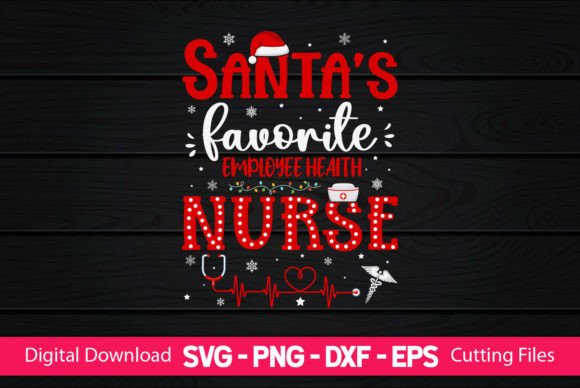
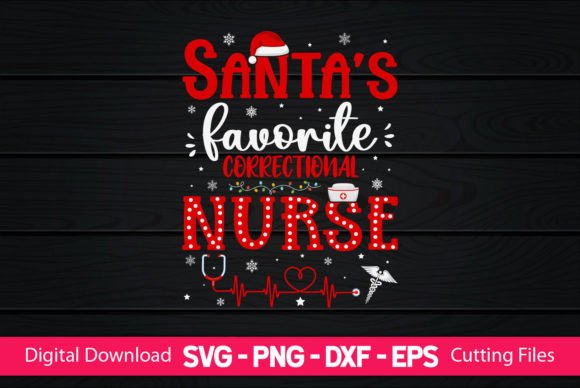
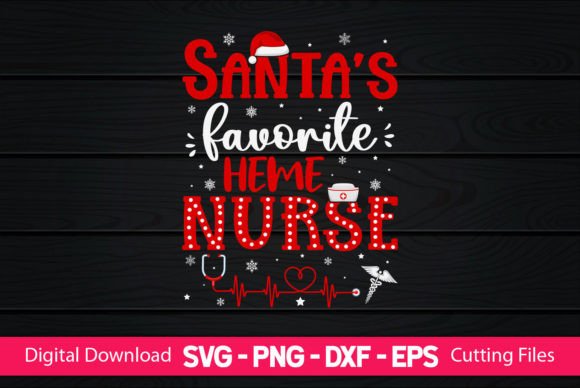
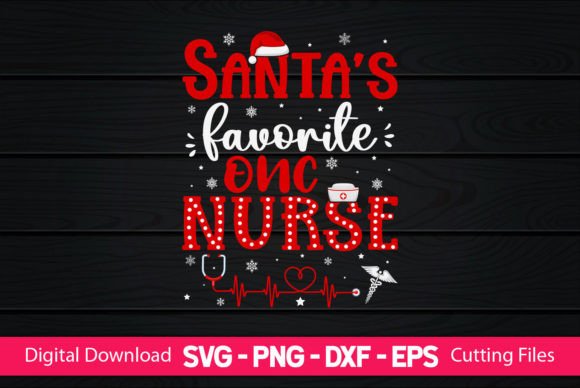
When I first opened the Santa’s Favorite ONC Nurse design, it immediately felt like a warm, personal nod to the oncology nursing profession wrapped in a holiday bow. The visual mood is cheerful without being cartoonish, sentimental without crossing into overly saccharine territory. The layout strikes a balance — playful enough for a lighthearted sweatshirt, yet clean enough that it could hold its own on a boutique tote bag or a set of personalized kitchen towels. In my years of evaluating embroidery-ready artwork, I look for that instant sense of purpose. This one has it: it knows exactly who it’s talking to and what kind of project it belongs in.
A Real Project Scenario: The Custom Tote That Tells a Story
I pictured this design on a natural canvas tote bag, the kind a nurse might carry to work or use for a holiday market trip. The lettering and festive accents would need to stitch out crisply on a medium-weight woven fabric. In my mind, I ran through the sequence: a sturdy cutaway stabilizer, a 4x4 or 5x7 hoop, and a thread palette that leans into deep reds, bright whites, and a touch of metallic gold for the Santa hat detail. The design’s shape — likely a rounded badge-style composition with a hint of typography — would sit beautifully on the front panel of the tote, giving the finished product a boutique feel that customers love to photograph and share. That’s the kind of real-world project where Santa’s Favorite ONC Nurse shines.
The Emotional Pull and Customer Reaction
What makes this design work from a business perspective is the immediate emotional recognition. An oncology nurse receiving a gift with this stitched on it will feel seen, appreciated, and celebrated. That translates directly into repeat purchases, word-of-mouth referrals, and stronger Etsy reviews. I’ve learned that designs with a clear, heartfelt message rarely sit in inventory. When a maker stitches this on a sweatshirt, a baby blanket, or a throw pillow, the finished product tells a story. And that story is what buyers remember.
Performance Across Different Embroidery Projects
I mentally placed Santa’s Favorite ONC Nurse on a range of blanks to see how it would hold up. Here’s how it breaks down.
Custom Apparel: Sweatshirts and T-Shirts
On a cozy fleece sweatshirt, the design’s holiday theme feels right at home. I’d use a medium-weight cutaway stabilizer and run a test stitch on a scrap of the same fleece. The key is checking how the small details — like the curves of the Santa hat or the thin outlines of the lettering — register on a plush surface. If the lettering is too delicate, I’d consider a slight underlay or increase the digitizing pull compensation. But visually, the composition holds up. A unisex crewneck with this design centered on the chest would sell well at a craft fair or as a personalized gift drop.
Tote Bags and Everyday Accessories
Canvas and cotton totes are a natural fit. The design’s badge-like shape frames itself nicely, and on a natural fabric color, the red and white elements pop. I’d avoid overly textured totes with heavy slubs, as the finer details could get lost. A smooth cotton drill or a lightweight canvas works best. For a more polished look, I’d pair it with a simple satin stitch border around the perimeter, treating it almost like an embroidered patch.
Baby Items and Nursery Decor
I could see this on a soft baby blanket or a tiny onesie as a gift for a nurse who just had a little one. The holiday twist makes it a sweet “first Christmas” item. On stretchy baby fabric, a fusible stabilizer is non-negotiable, and I’d scale the design down carefully — no smaller than 3 inches wide to keep the text legible. The whimsical nature of Santa’s Favorite ONC Nurse softens the medical theme, making it approachable for nursery decor.
Patches, Caps, and Structured Surfaces
As an embroidered patch, the design has real commercial potential. A patch version could be applied to jackets, scrub caps, or tote bags. The curved surface of a cap requires extra attention: the lettering might need to be arched or the design placed on the side panel rather than the front. I’d test the cap hoop alignment thoroughly before committing to a batch. The small details demand a clean, dense fill stitch, but not so dense that the cap puckers.
Kitchen and Home Textiles
Tea towels and pillow covers are another category where this design feels instantly appropriate. A flour sack towel with a red work-inspired version of the design would be charming. For a pillow cover, I’d go with a linen-look fabric and soft, muted thread colors for a more rustic holiday vibe. The design’s versatility across different home decor items adds to its value as a digital asset for a craft business.
Where to Use the Design Carefully
No design is without its constraints, and Santa’s Favorite ONC Nurse has a few areas where extra care keeps the project professional.
Small Hoop Sizes and Tiny Lettering
If the design includes small text — like the word “ONC” or a fine serif font — shrinking it below 3 inches risks losing legibility. I always test the smallest intended size on a scrap of the final fabric before running a full batch. When the hoop forces you to reduce the design, evaluate whether the lettering can be simplified or thickened in the digitizing stage.
Textured and Stretchy Fabrics
Towels with a dense loop pile, fleece with a deep nap, or stretchy performance knits can all distort fine details. A heavy water-soluble topping on towels helps the stitches sit on top rather than sink in. On stretchy garments, I’d use a fusible mesh stabilizer and avoid overstretching during hooping. The Santa hat’s pom-pom or any small decorative accents might blur if the fabric shifts, so a basting stitch or temporary adhesive is a wise precaution.
Dark and Vibrant Backgrounds
On a black sweatshirt or a dark navy tote, the white and red elements will stand out, but any darker outlines or shadows might disappear. I’d adjust the thread colors to ensure high contrast, and test a black-and-white mockup on screen to see where the design loses definition. The design’s festive mood actually benefits from a dark background — it makes the red pop and gives the piece a cozy, late-December evening feel.
Curved Surfaces and Layered Garments
For caps, the curved brim can distort a circular badge shape. I’d consider using a patch format or placing the design on the side or back of the cap. On layered garments like a hoodie with a front pocket, the design placement above the pocket is ideal, but the seam and pocket edge can interfere with the hoop. Careful positioning and a firm hooping technique prevent that.
How the Design Affects the Finished Product’s Value
When I evaluate a design for my own small shop, I think about what it does to the perceived worth of the product. Santa’s Favorite ONC Nurse elevates a simple blank into a meaningful gift. That emotional layer adds at least 20-30% to what a customer is willing to pay. The design’s clear, niche appeal — oncology nurses — creates a sense of exclusivity. A buyer who finds this on a sweatshirt or tote bag feels like it was made just for them or someone they love. That kind of trust and recognition builds repeat business and strengthens a brand’s handmade identity.
Visual Appeal and Stitching Clarity
The composition, with its holiday theme and professional nod, naturally draws the eye. Good digitizing will preserve the crisp edges of the typography and the soft curves of the Santa hat. The design’s contrast allows for a clean satin stitch on lettering and a balanced fill stitch on larger areas. When the stitching clarity is high, the product looks polished, not homemade in a negative sense. That professionalism is what separates a craft fair item from a boutique piece.
Giftability and Seasonal Recognition
Holiday-themed designs have a limited window, but they sell fast when the timing is right. Santa’s Favorite ONC Nurse hits that seasonal sweet spot, and the oncology nurse angle makes it a year-round keepsake for someone who does challenging work. A stitched pillow cover or a framed hoop art piece becomes a gift that feels both timely and deeply personal. The design’s recognition factor is high: a nurse will instantly know it’s about them, and that sparks conversation and social sharing.
Practical Embroidery Designer Notes
Before you load this design into your machine, here are the steps I’d take to ensure a smooth run and a professional result.
Test, Test, and Test Again
Always stitch a sample on the exact fabric and stabilizer combination you plan to sell. What looks perfect on a smooth cotton may pucker on a fleece hoodie. I run my test at the largest and smallest sizes I intend to offer, checking for thread breaks, density issues, and registration alignment.
Check Thread Color Contrast
The design’s festive color palette is part of its charm. I’d pull actual thread cones and lay them under good lighting to see how the red, white, and any accent colors interact. Sometimes a slightly darker red makes the white pop better, and a metallic gold can add a premium feel. I’d also test the design in black and white on my screen to spot any areas that blend too much.
Review Stitch Density and Hoop Size
Since the original file is a digital graphic for cutting machines (Santa’s Favorite ONC Nurse svg png dxf eps), you’ll need to digitize it for embroidery. Pay close attention to stitch density in the fill areas. Overly dense stitching leads to puckering and thread breaks. Confirm your hoop size accommodates the design with enough clearance for the inner ring. I’d also check the small details — the curl of the Santa hat, the dot of the “i” — to make sure they’re not too tiny to stitch cleanly.
Stabilizer and Fabric Backing
Don’t skimp on stabilizer. For woven fabrics, a medium-weight cutaway is my go-to. For knits, a fusible mesh or a no-show mesh stabilizer keeps the design from distorting. A topper film on towels or fleece prevents stitches from burying themselves. The right backing makes the difference between a design that lasts through dozens of washes and one that cracks or warps.
Licensing and Commercial Use
Before you sell finished items featuring this design, confirm the commercial license terms. The product description mentions it’s a print-ready file for Cricut and Silhouette cutting machines, and it’s listed under Crafts and Graphics. That typically allows personal use, but small business owners and Etsy sellers need to verify if selling physical products made from the design is allowed. I’d reach out to the seller or check the license details if they aren’t spelled out. Don’t assume — a quick clarification can save you from a copyright headache later.
Digital Mockups and Product Previews
For online listings, I’d create a clean mockup of the design on a tote or sweatshirt using the PNG or SVG file. A well-lit, realistic mockup boosts buyer confidence. I’d also show the design on both light and dark backgrounds so customers can visualize the contrast. That small step often increases conversion rates in Etsy shops and on boutique websites.
Final Thoughts on Santa’s Favorite ONC Nurse for Your Craft Business
From a designer’s perspective, Santa’s Favorite ONC Nurse is a thoughtful, niche-focused graphic that translates well into embroidery when handled with care. It’s not a one-size-fits-all design — you’ll need to digitize it thoughtfully, mind the small details, and choose your blanks wisely. But for the right project, it fills a genuine emotional need. A personalized tote, a cozy sweatshirt, a holiday pillow — these aren’t just products, they’re tokens of appreciation for the nurses who show up every day. That kind of meaning is what turns a handmade item into a bestseller.